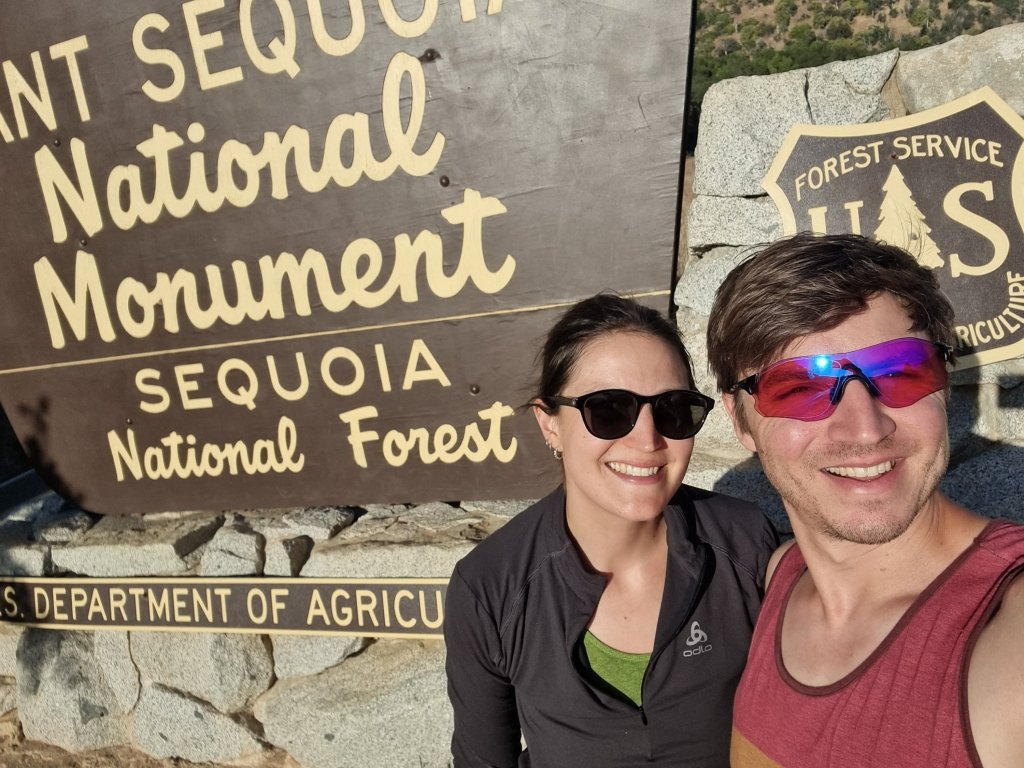
Our next aim was one of those places I was particularly looking forward to. Trees! Giant trees! 🌲😍
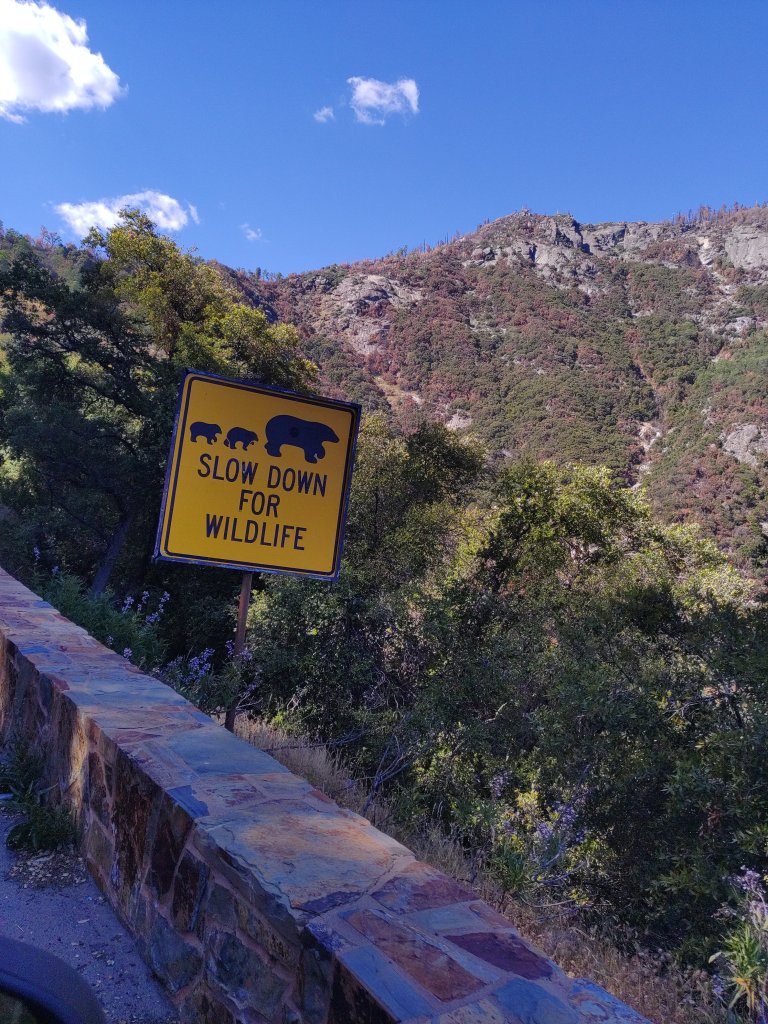
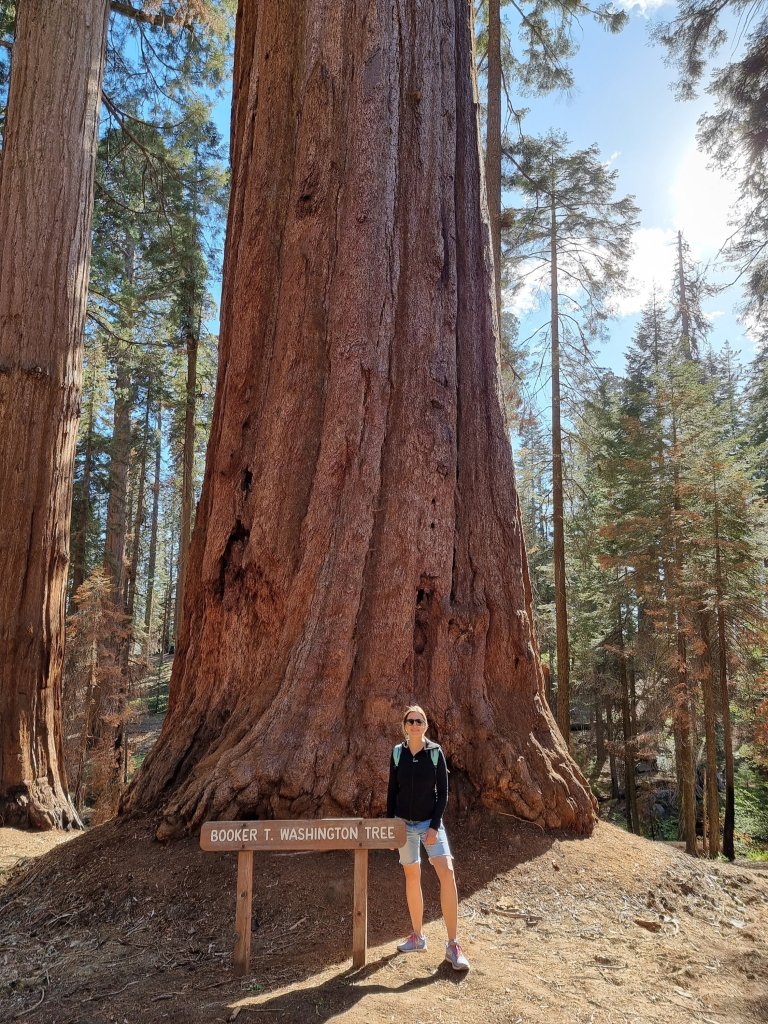
Sequoiadendron giganteum (giant sequoia) is the sole living species in the genus Sequoiadendron. Giant sequoia specimens are the most massive trees on Earth. The common use of the name sequoia usually refers to Sequoiadendron giganteum, which occurs naturally only in groves on the western slopes of the Sierra Nevada mountain range of California.
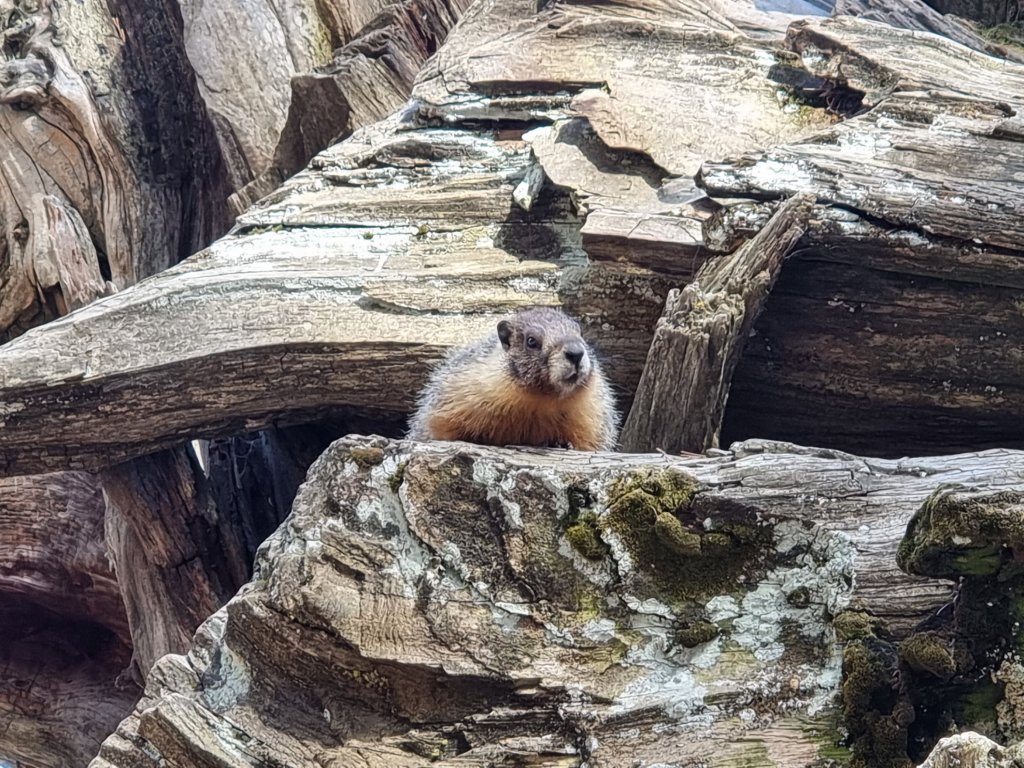
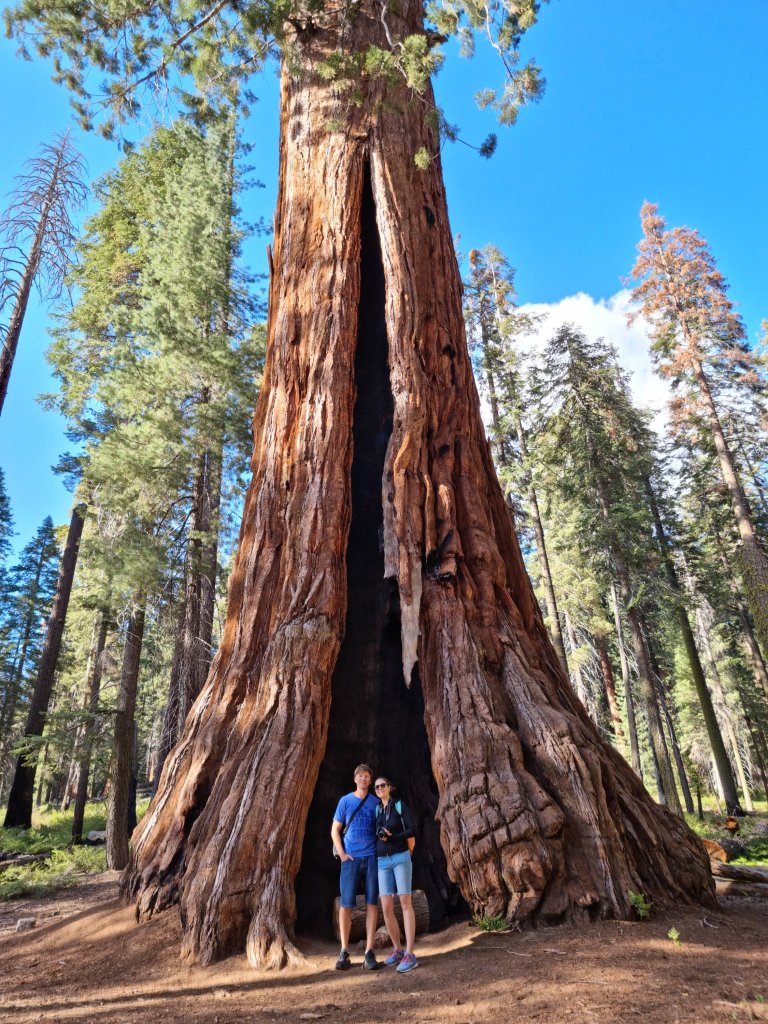
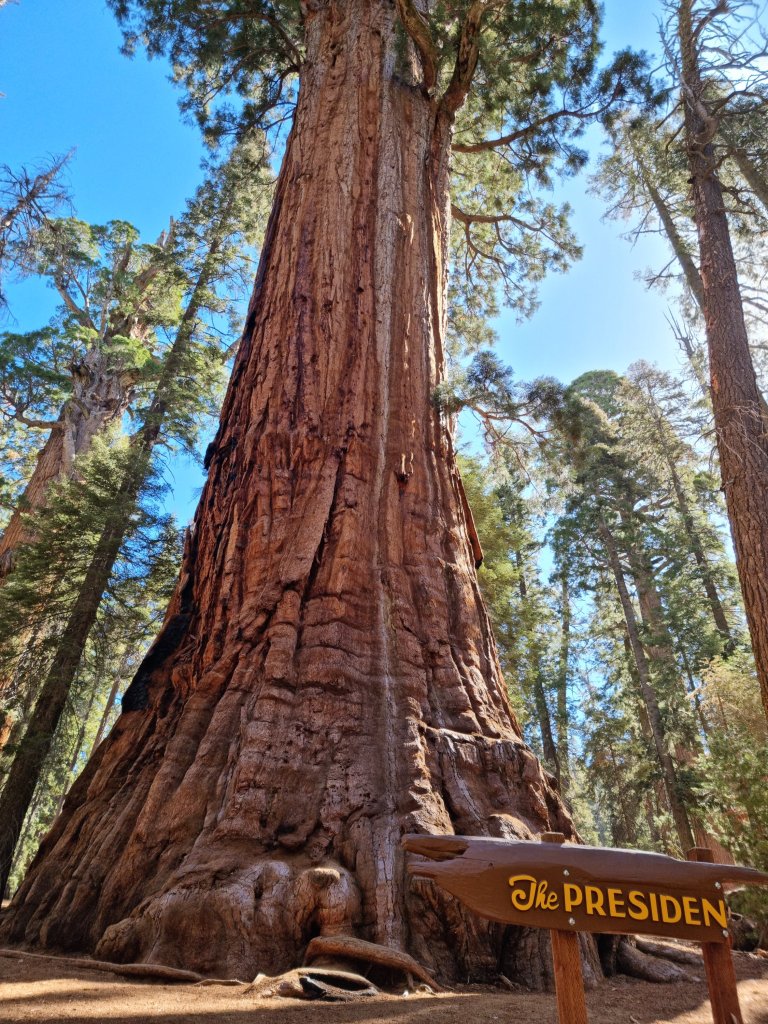
These trees truly are nothing short of gigantic! It is hard to put in words what you feel like when you stand in front of them and let alone take a good picture of them that would do justice to their grandeur!
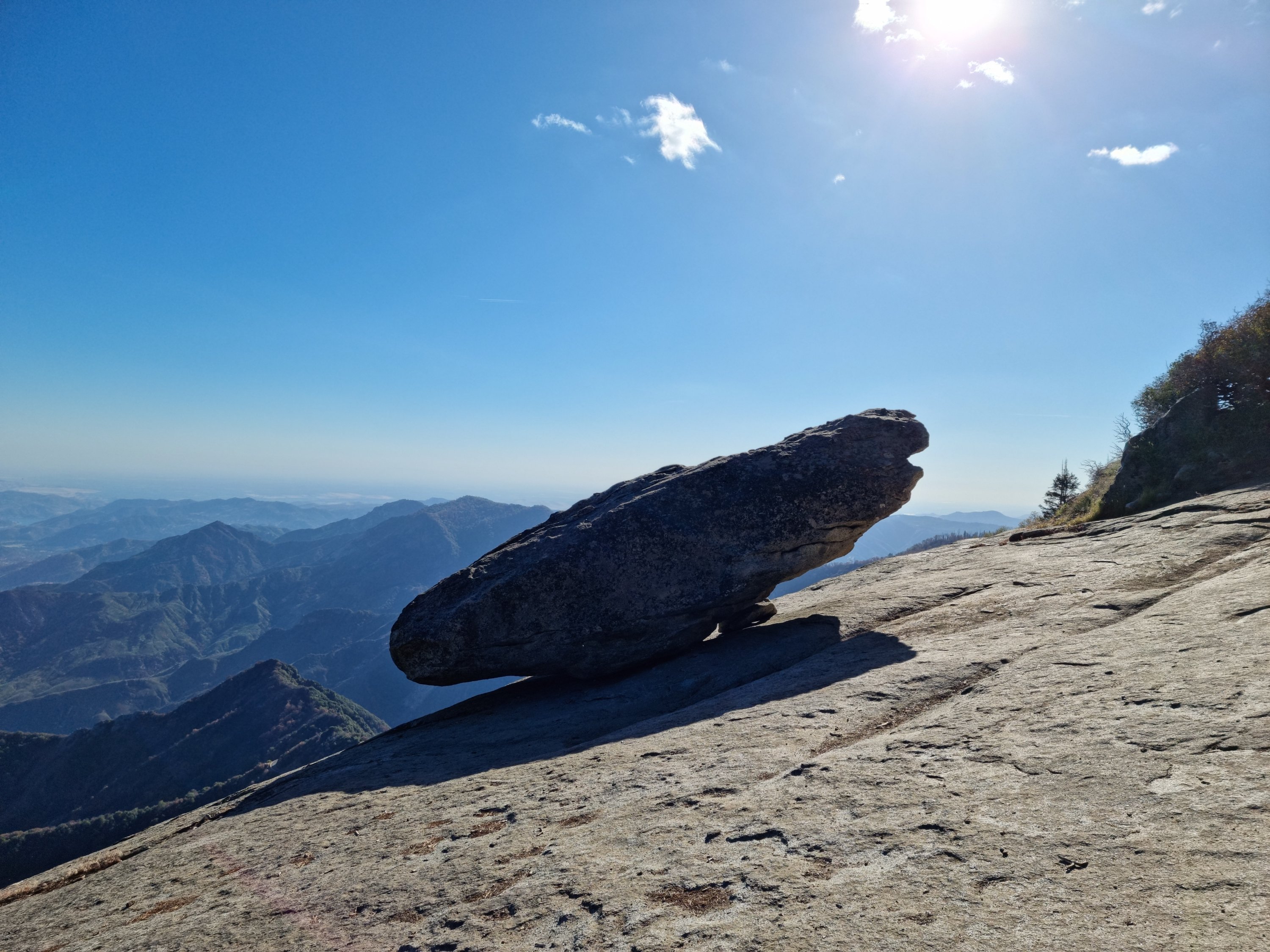
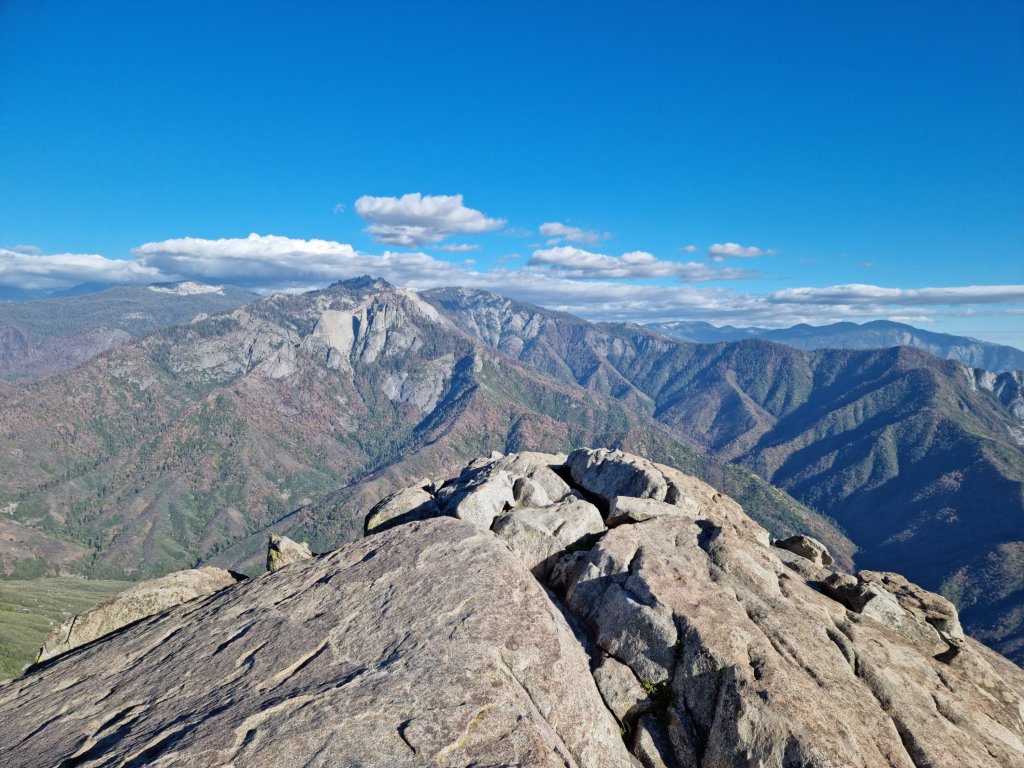
Upon arrival we hiked ‘Moro Rock’, a granite dome rock formation between Giant Forest and Crescent Meadow.
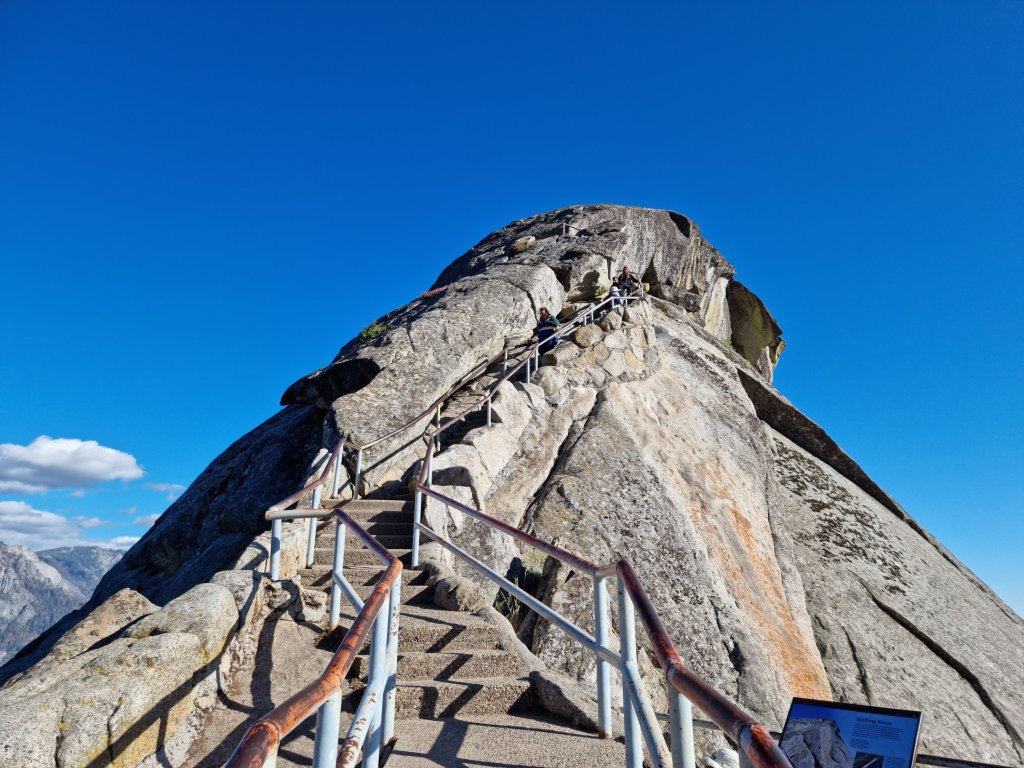
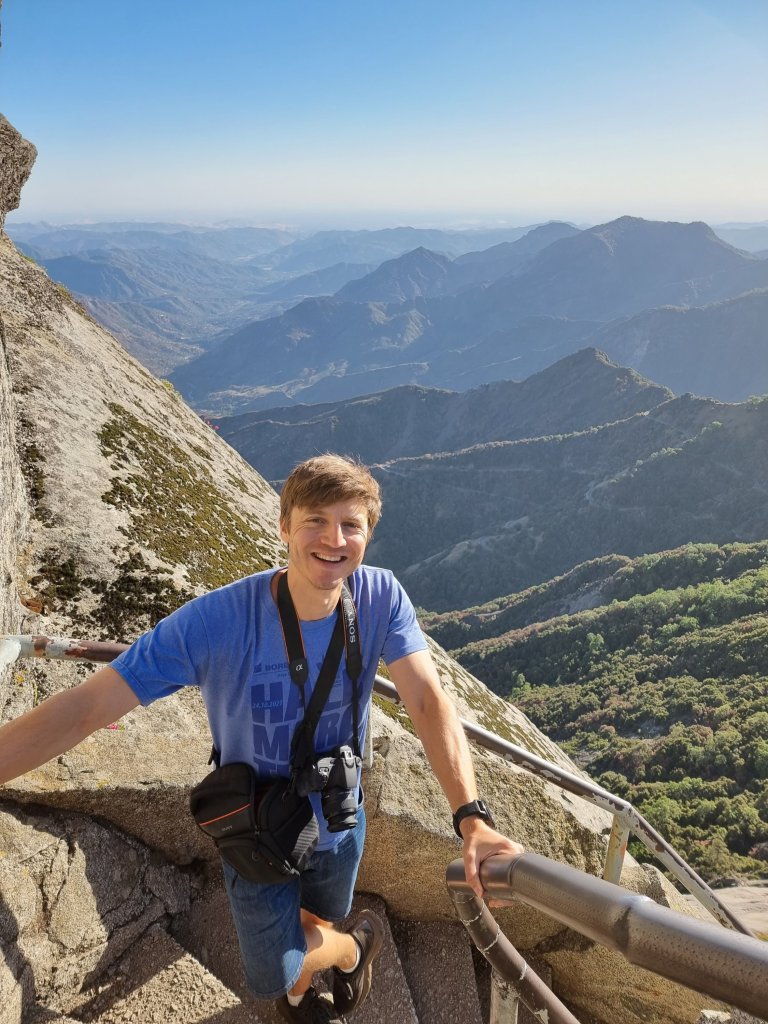
From there we had magnificent views of the valley and surrounding mountains! 🏞️⛰️
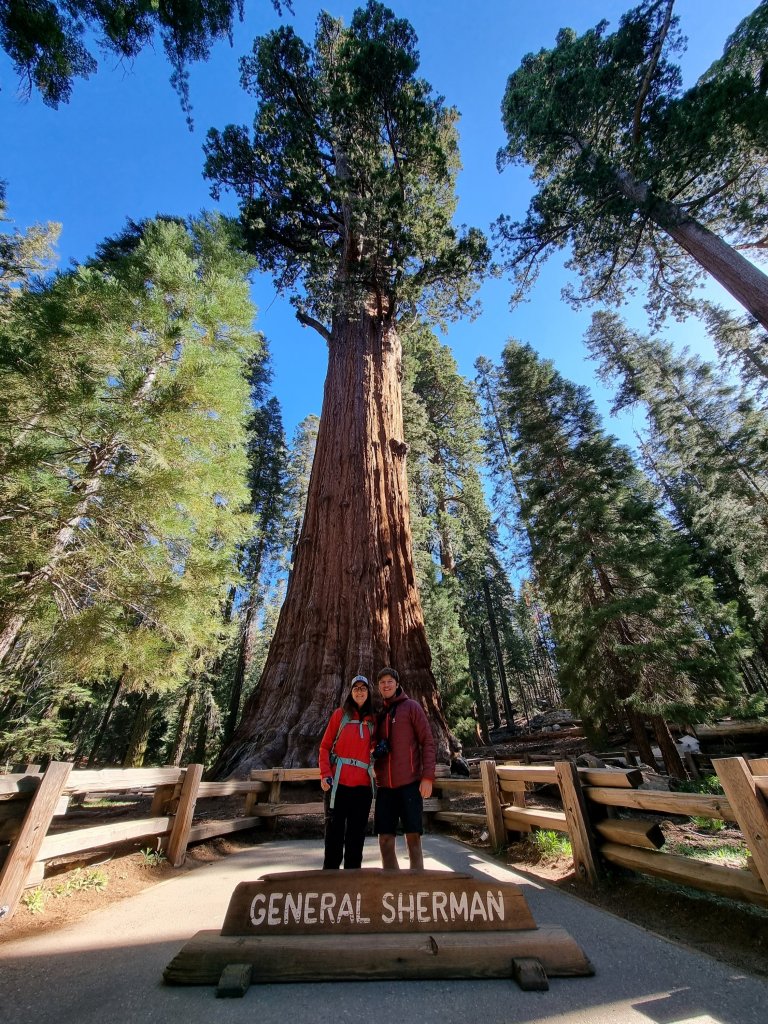
The General Sherman is the largest known living single-stem tree on Earth (by volume). With a height of 83.8 meters (275 ft), a diameter of 7.7 m (25ft), an estimated bole volume of 1,487 m3 (52,513 cu ft), and an estimated age of 2,300–2,700 years, it is also among the tallest, widest, and longest-lived of all trees on the planet. Wow! 😯
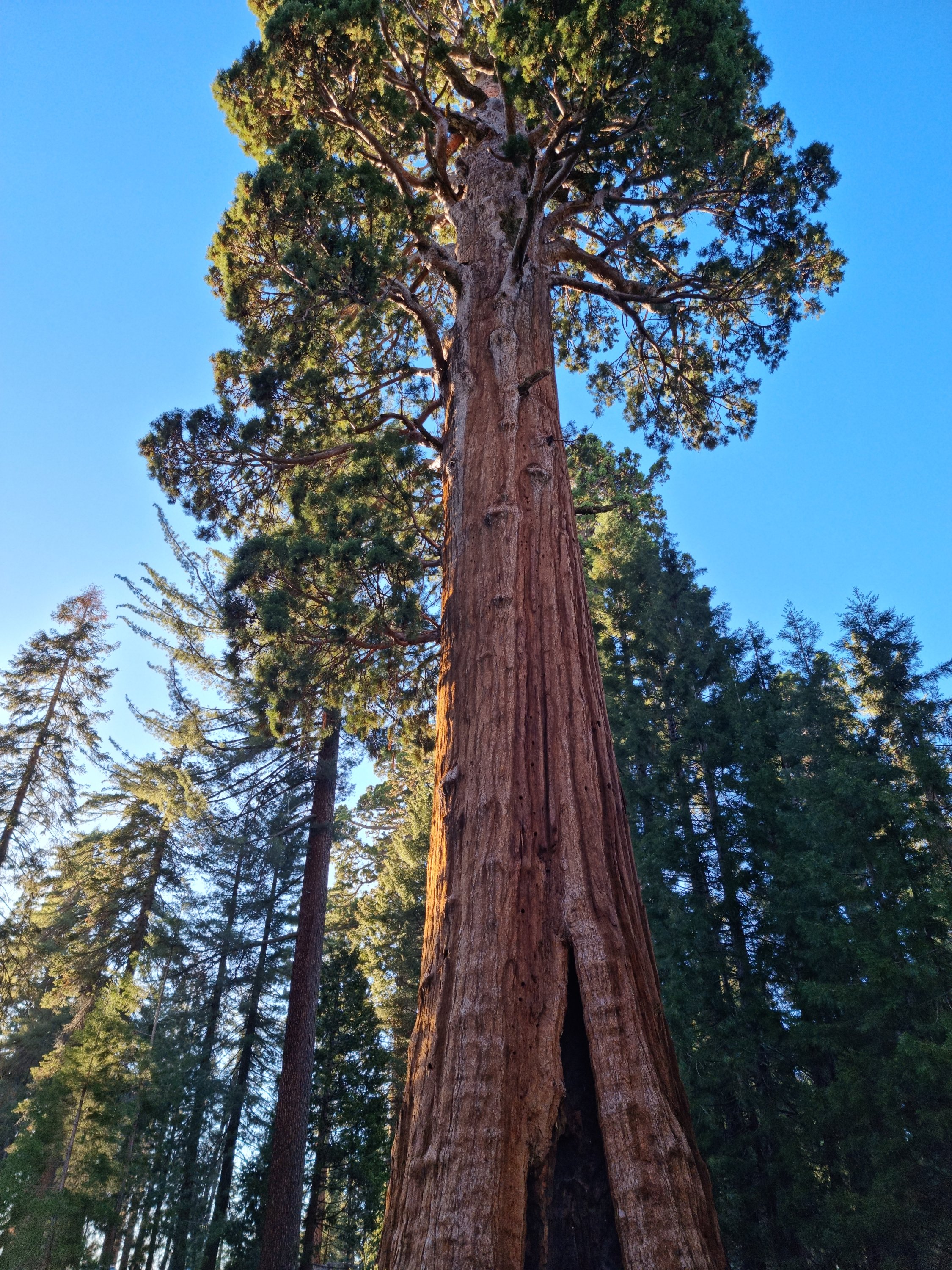
You may think there’s just a couple of those trees around but what’s even more fascinating than their dimensions is how many you come across when walking trails.
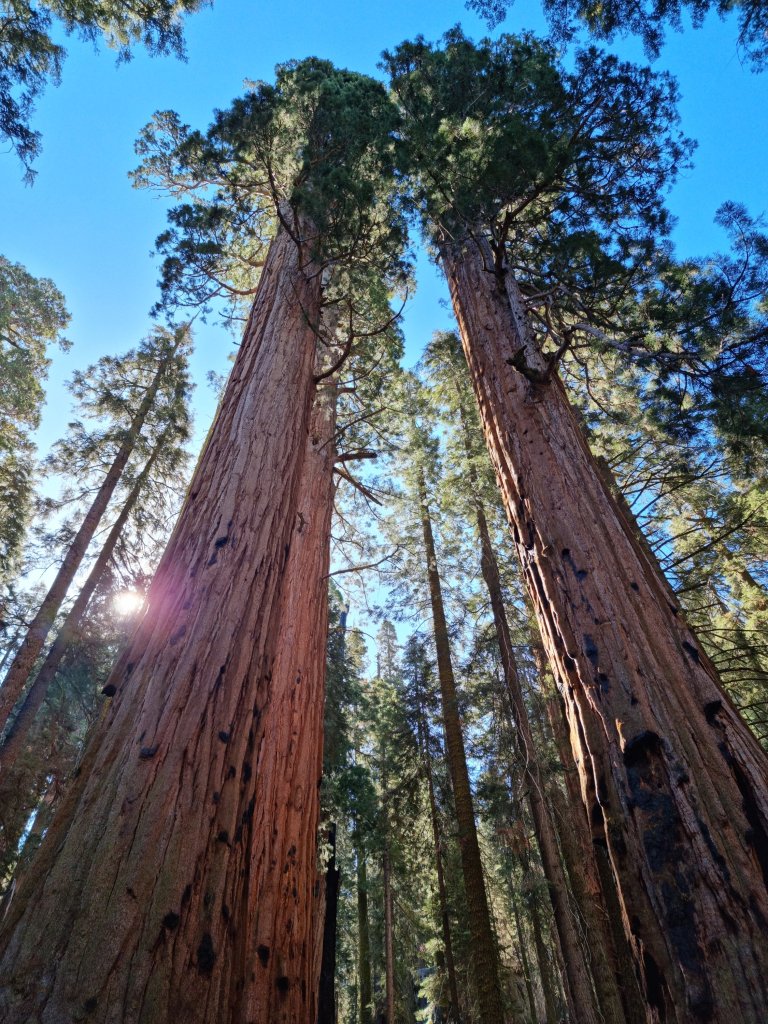
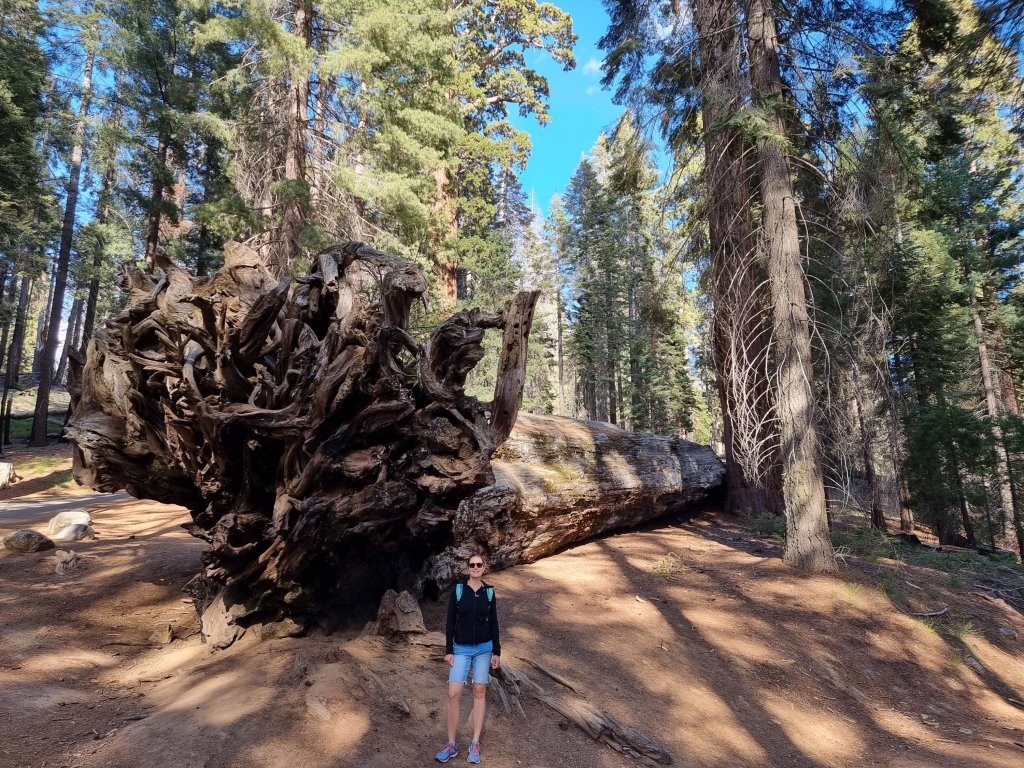
What’s also noteworthy is that many of the giant trees have charred parts and must have witnessed one or more wildfires. What’s peculiar about those trees is that they are not only somewhat fireproof (Giant sequoia bark may be 90 cm thick at the base of the columnar trunk. The sap contains tannic acid*, which provides protection from fire damage) but that cones even need fire in order be able to grow! (Some seeds shed when the cone scales shrink during hot weather in late summer, but most are liberated by insect damage or when the cone dries from the heat of fire.) 🌱🔥
*or 2,3-dihydroxy-5-({[(2R,3R,4S,5R,6R)-3,4,5,6-tetrakis({3,4-dihydroxy-5-[(3,4,5-trihydroxyphenyl)carbonyloxy]phenyl}carbonyloxy)oxan-2-yl]methoxy}carbonyl)phenyl 3,4,5-trihydroxybenzoate, as we chemists would call it 😂😂😂 sorry, couldn’t help it 🤭
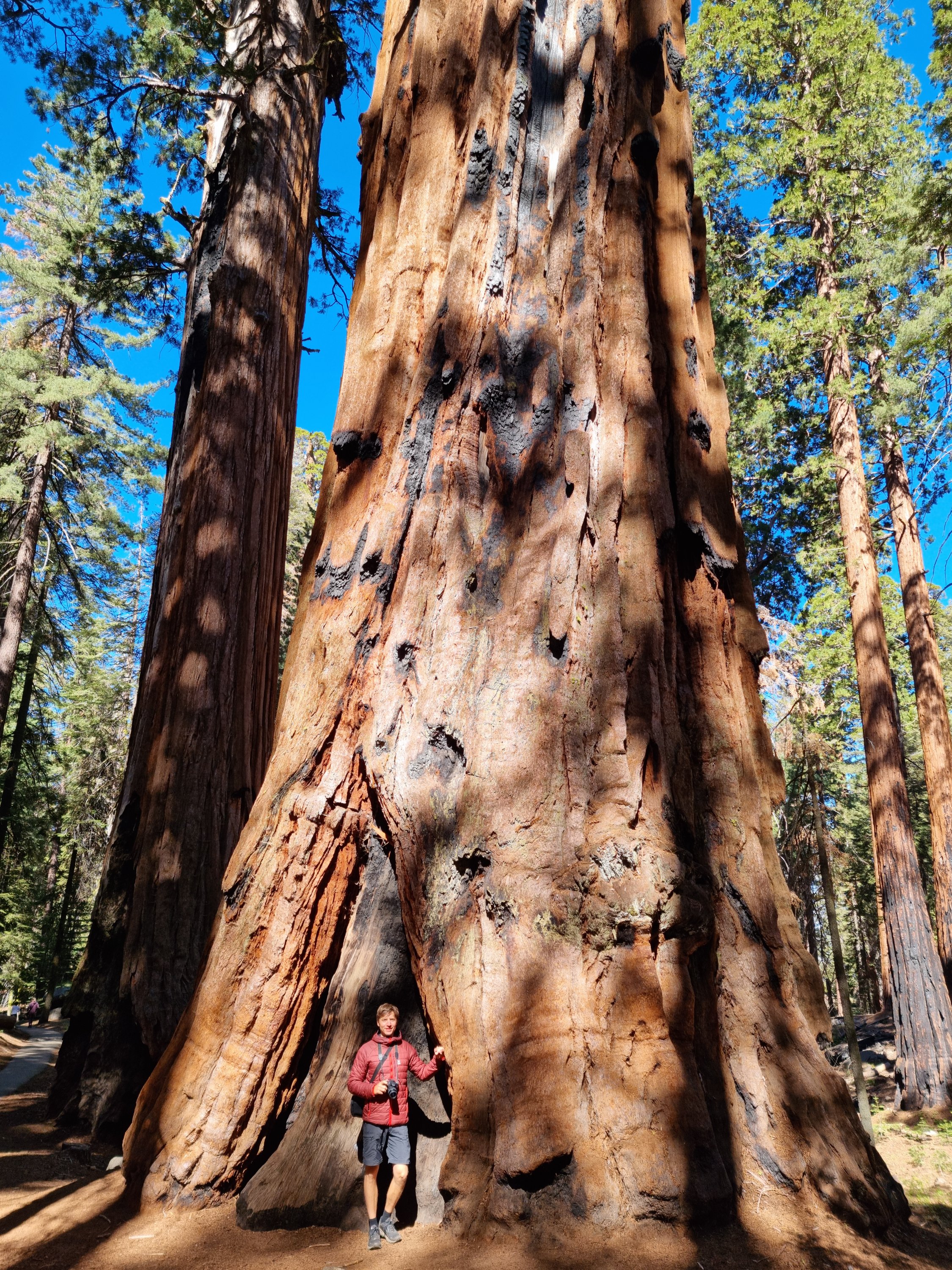
Despite their large size and adaptations to fire, giant sequoias have become severely threatened by a combination of fuel load from fire suppression, which fuels extremely destructive fires that are also exacerbated by drought and climate change.
When you camp in bear area you must have a clean and “bare” campsite. This means you cannot leave anything with a smell outside unless you put it in a “bearbox”, a box that has a special handle that cannot be opened by a bear.
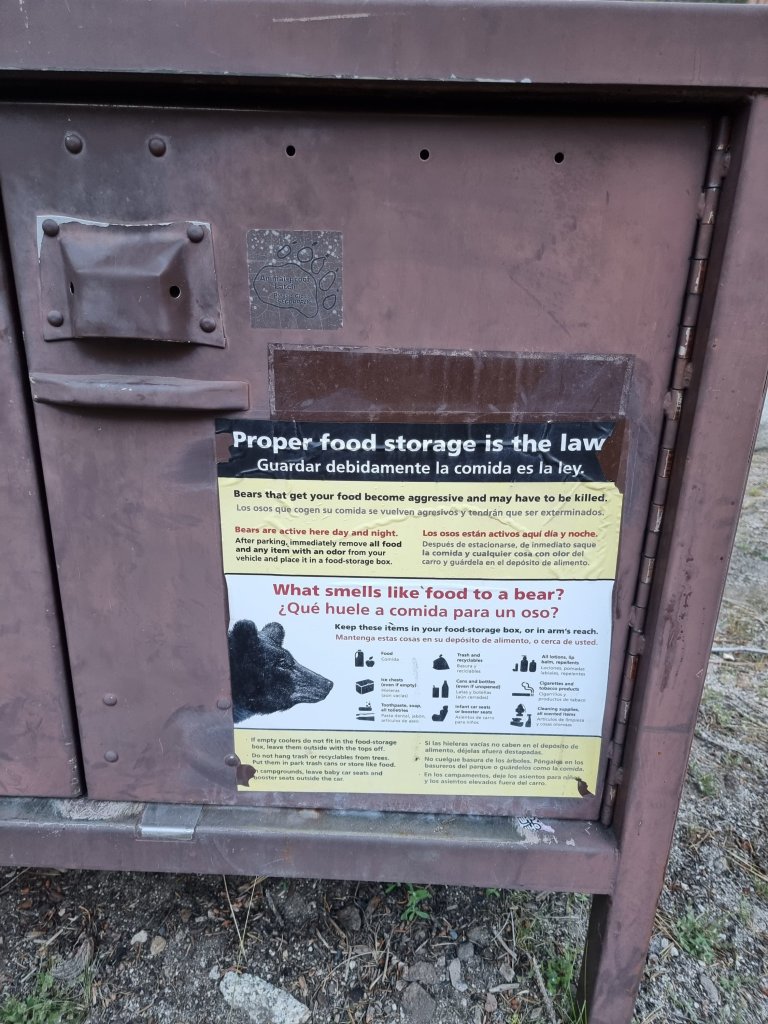
“Anything with a smell” literally means all things that have a smell, not just food. It also includes things like floss, cleaning agents or tooth paste for example!
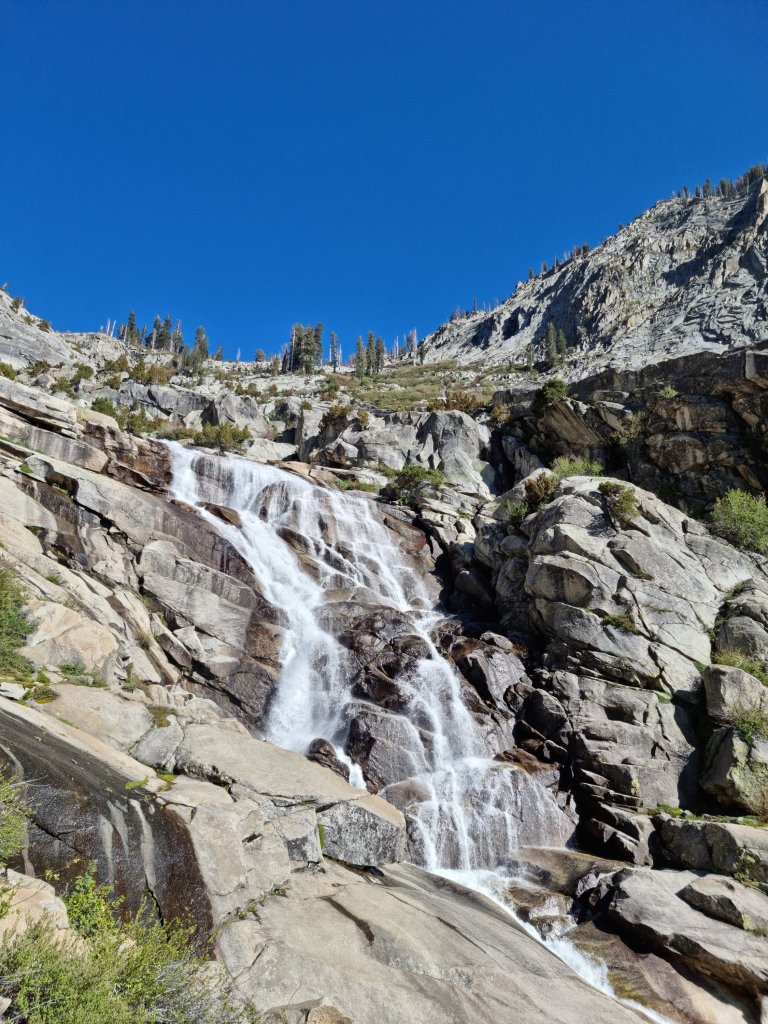
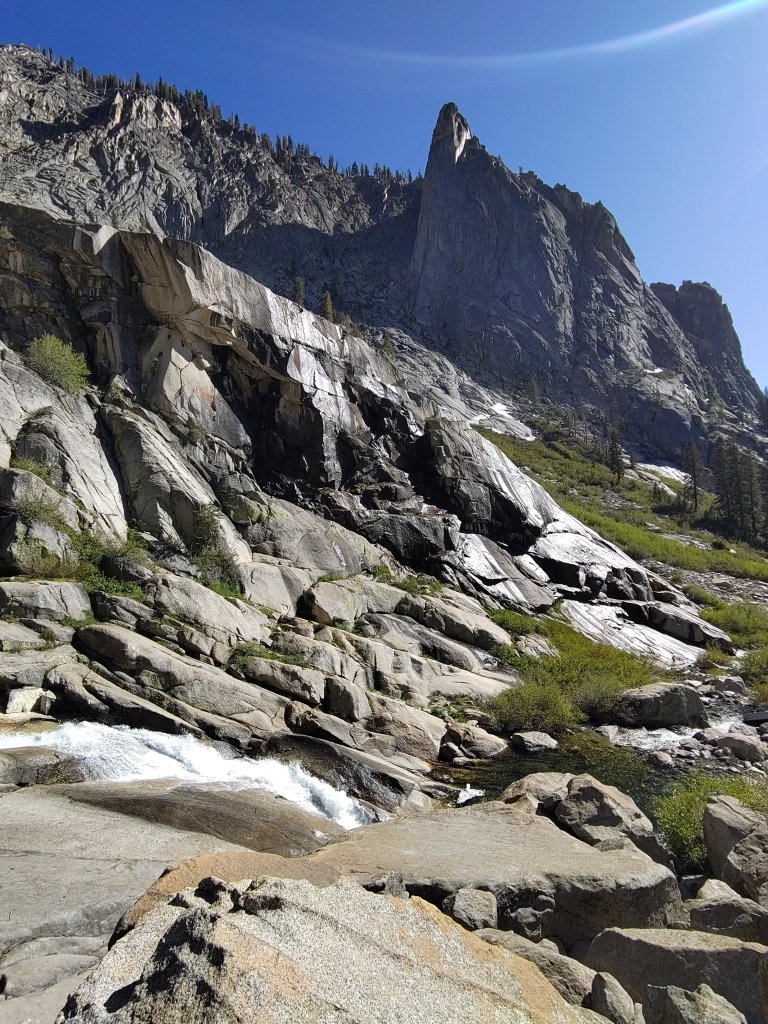
Another nice hike lead us to the Tokopah waterfalls.
Throughout our road trip we saw very many remnants of wildfires. Even though wildfires have always been a part of nature and some forest ecosystems in their natural state depend on wildfire, there have been alarmingly many forest fires in the last couple of years.
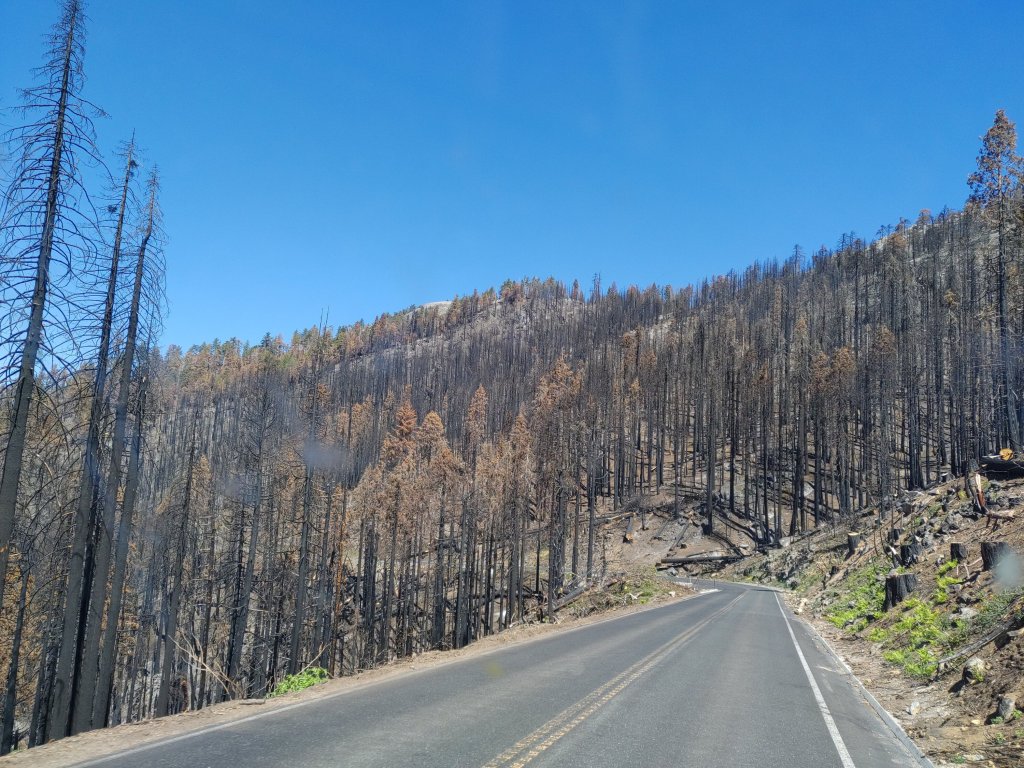
In 2020, a series of particularly large wildfires burned across California, Oregon, and Washington. They were described as an unprecedented, climate change-fueled event. 2021 also saw many forest fires. (E.g. 4 out of 20 of the largest wildfires in California happened in 2021)
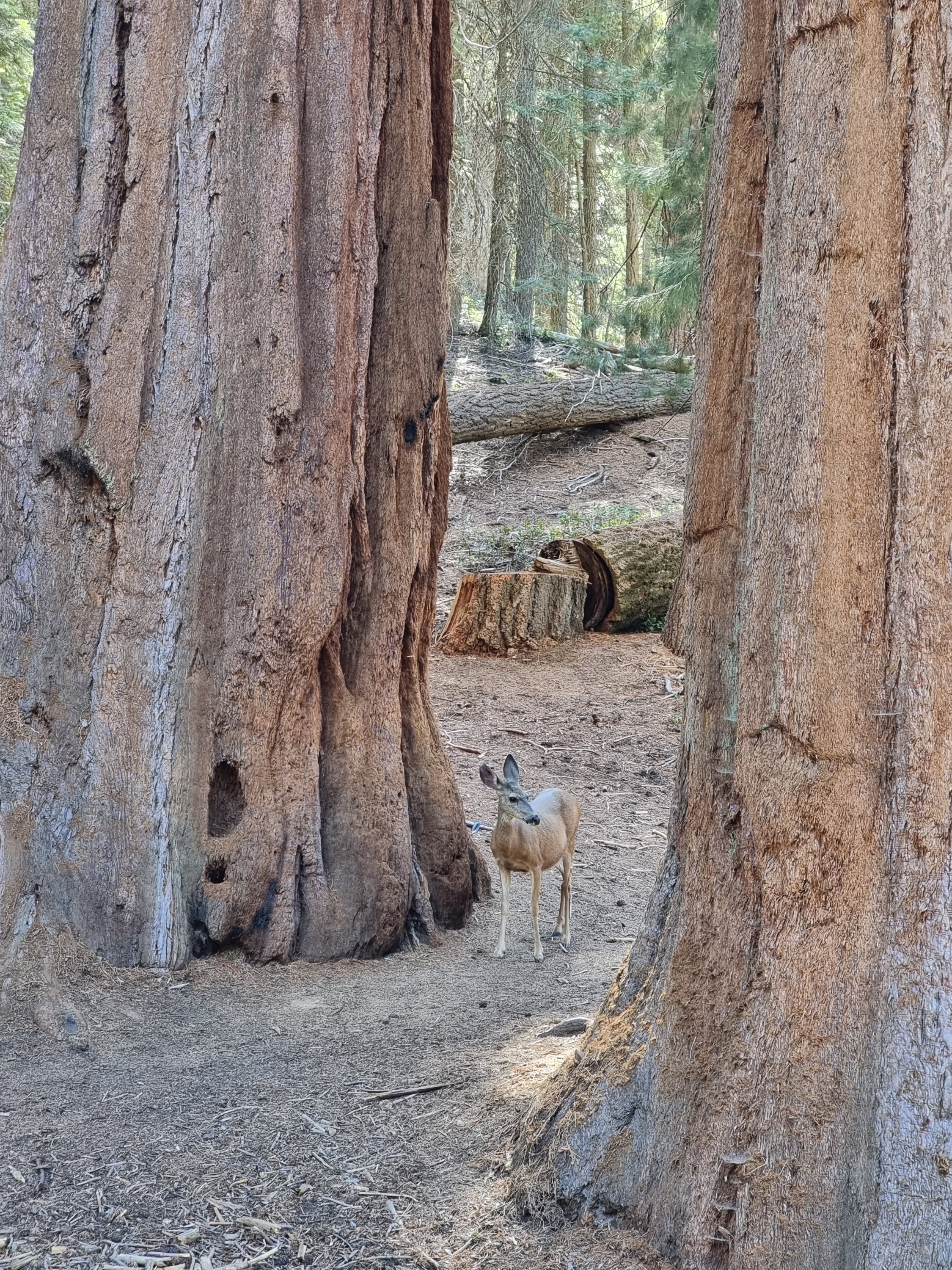
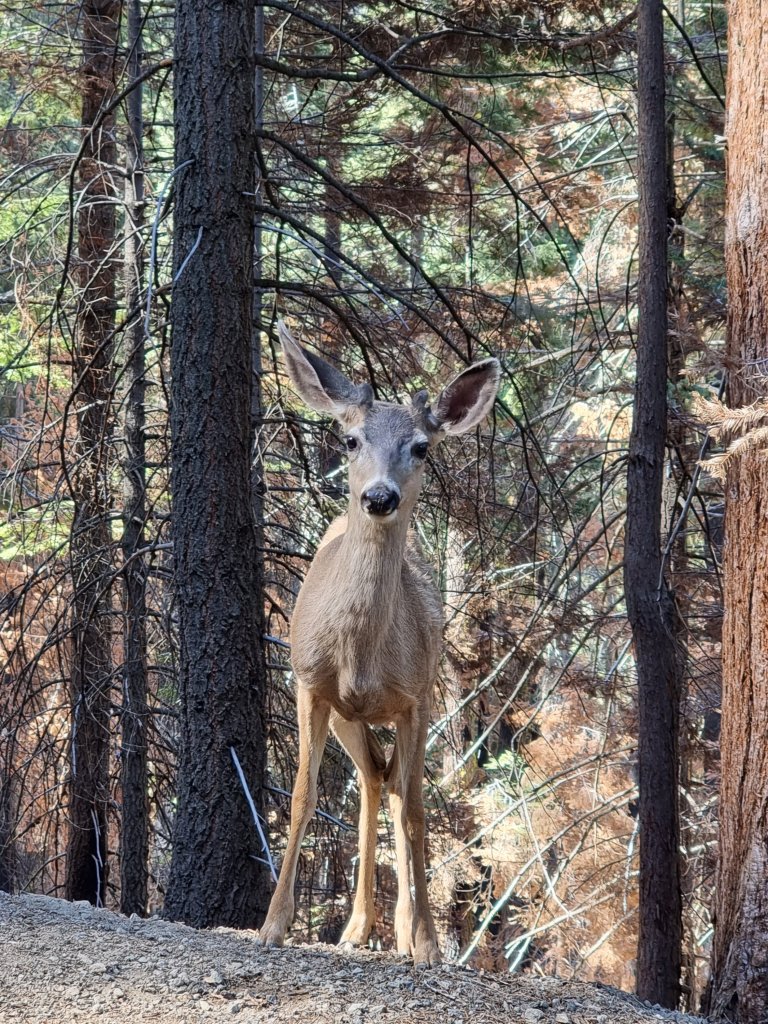
Deer is basically everywhere and they are quite used to humans. 🦌😍
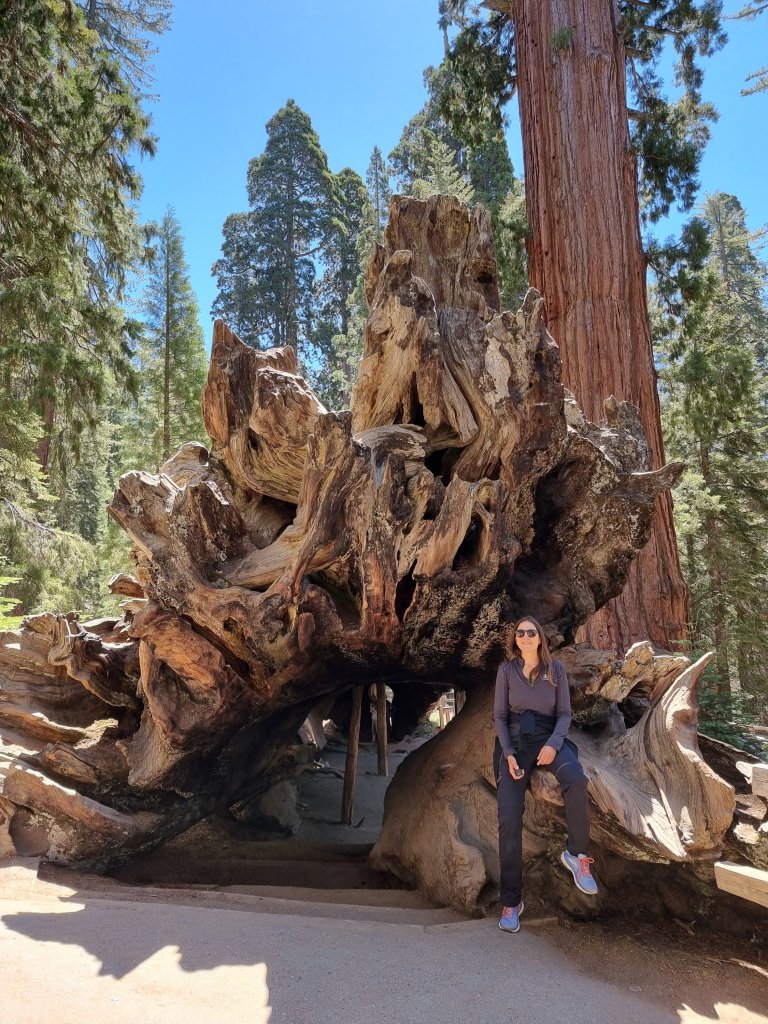
You can even walk through some dead trees. 🤭
 Ines & Oliver on Tour