Newport was not really on the agenda. In fact, our next destination would have been Crater Lake National Park, but when we found out that the panorama road and all the main hikes were still closed due to considerable amounts of snow a couple of days prior to departure (they sometimes open as late as August 😳), we decided to head northwest and make our way to the coast instead. We drove about 400 miles to Newport, Oregon, which became our northernmost starting point and followed the coastline south towards San Francisco within seven days, following mainly but not exclusively the popular Highway 101.
However, when we woke up the next morning it was raining heavily and therefore we figured that we finally had a day to rest a little..
… in the gym 😂
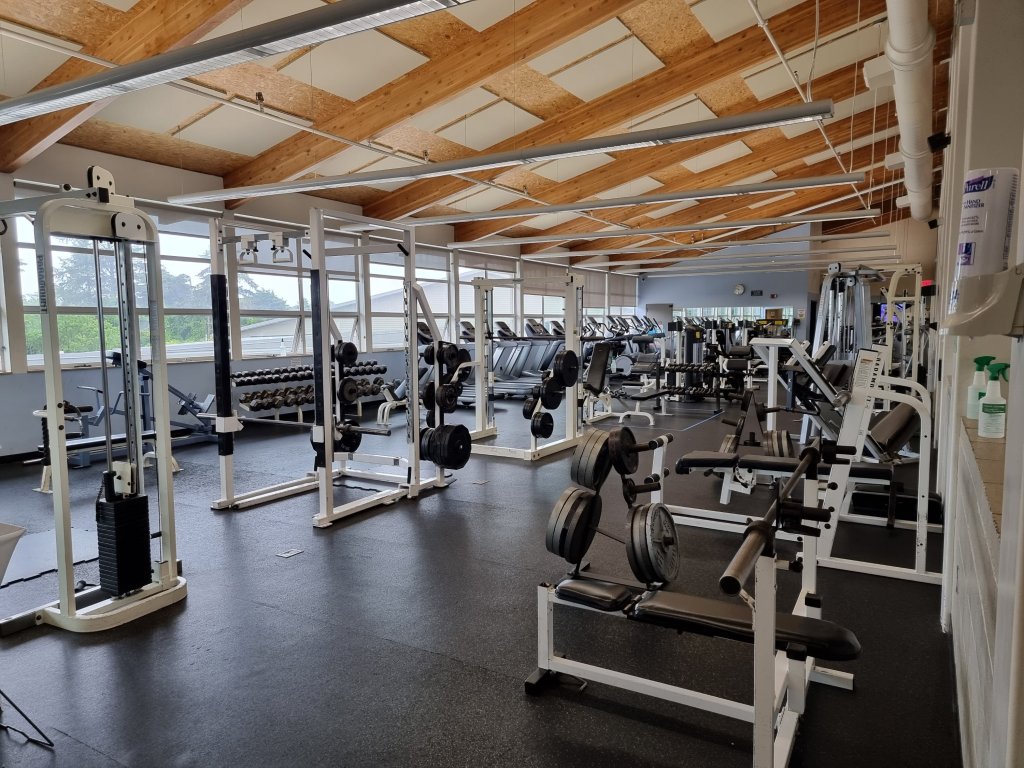
In most towns there are community centres in which you’ll find a pool, gym, hot tub, sauna and so on for only 6-7 $ (day pass). Quite a bargain if you ask me!
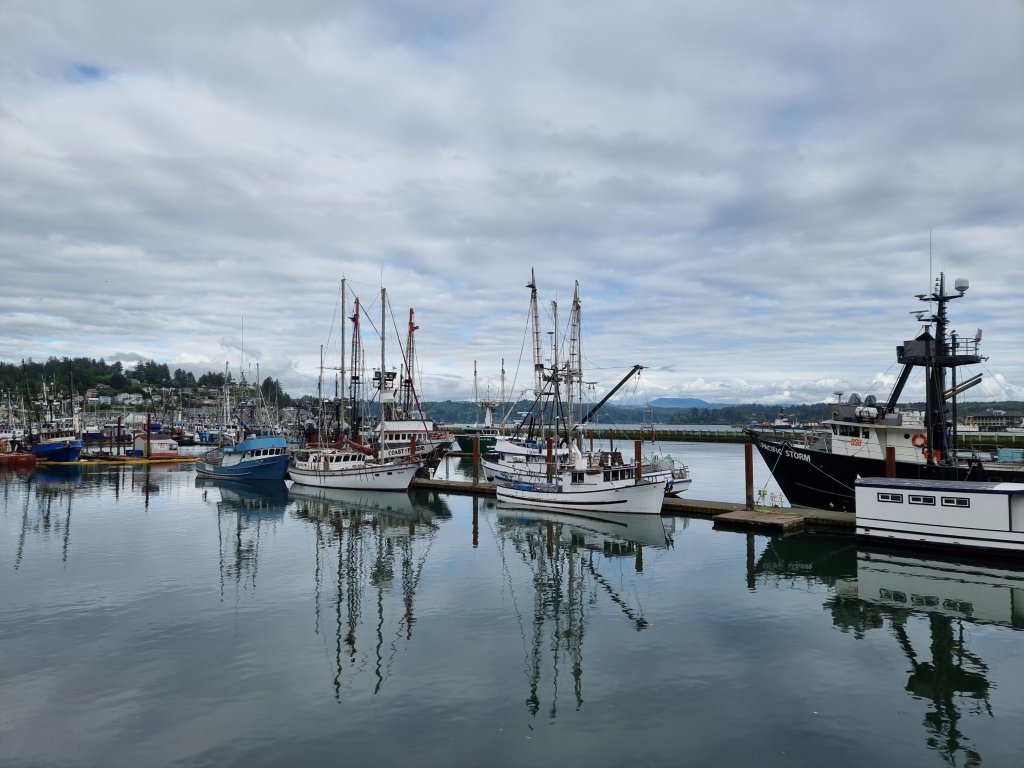
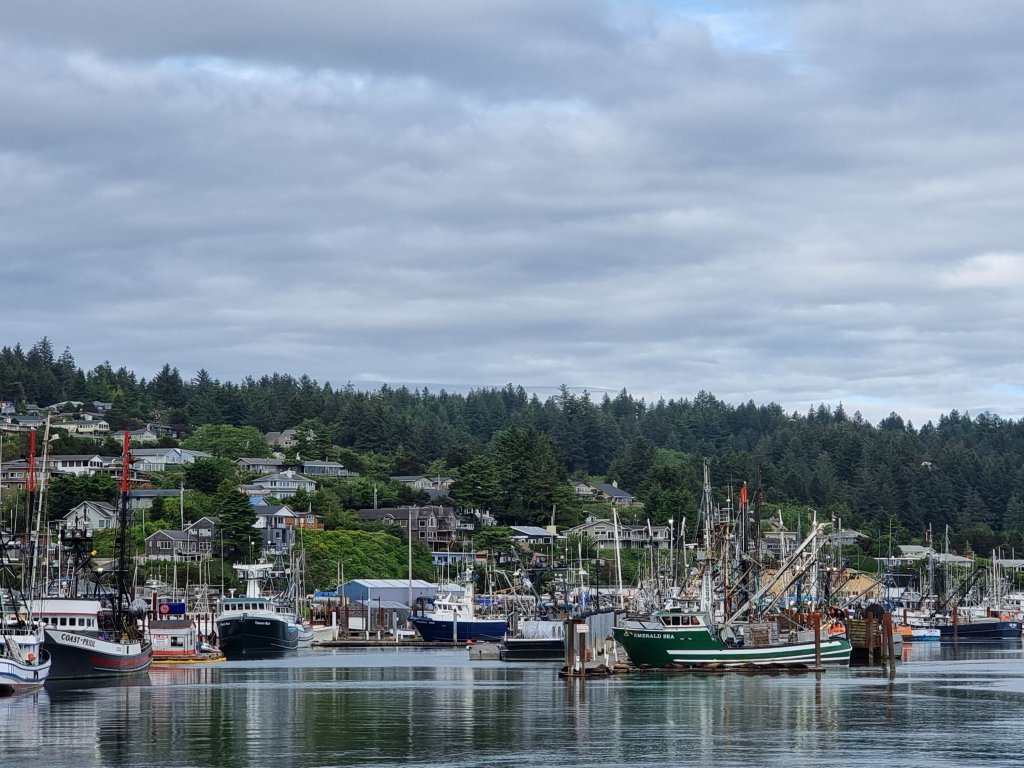
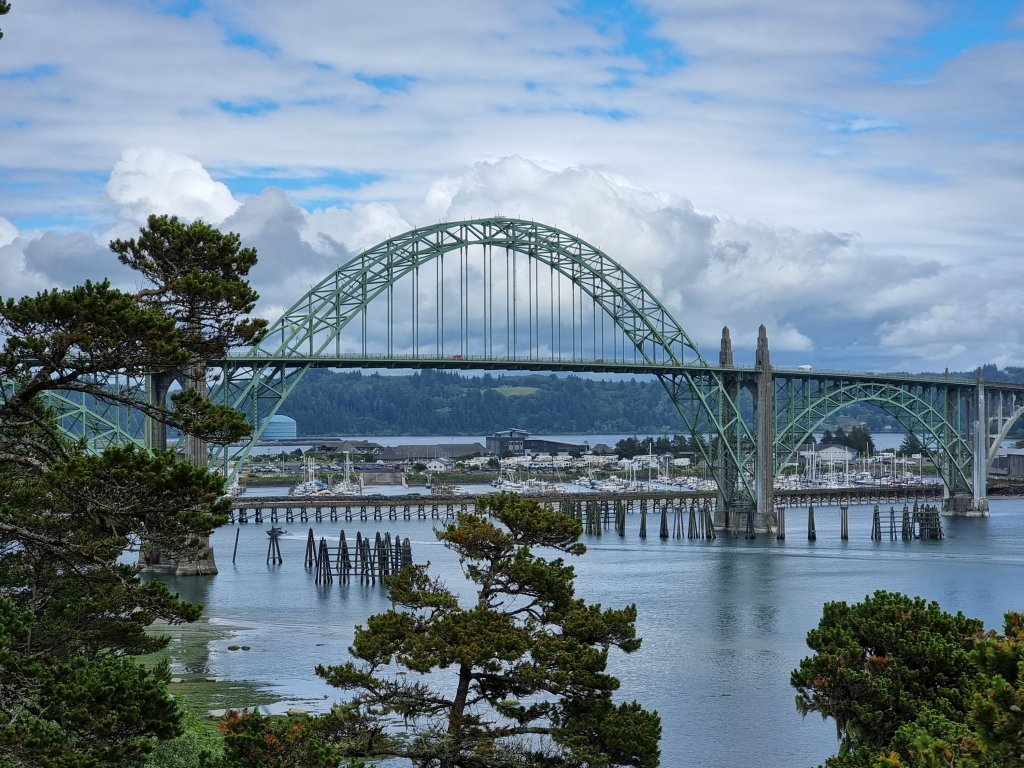
Newport itself was nice but has definitely seen better days 😅
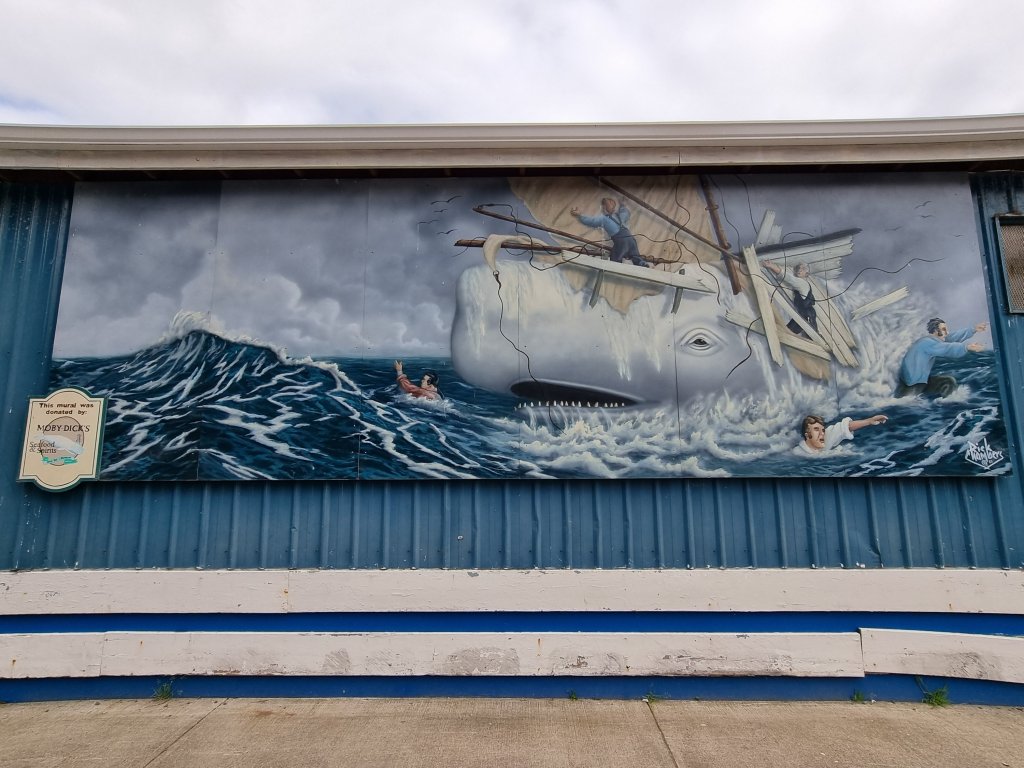
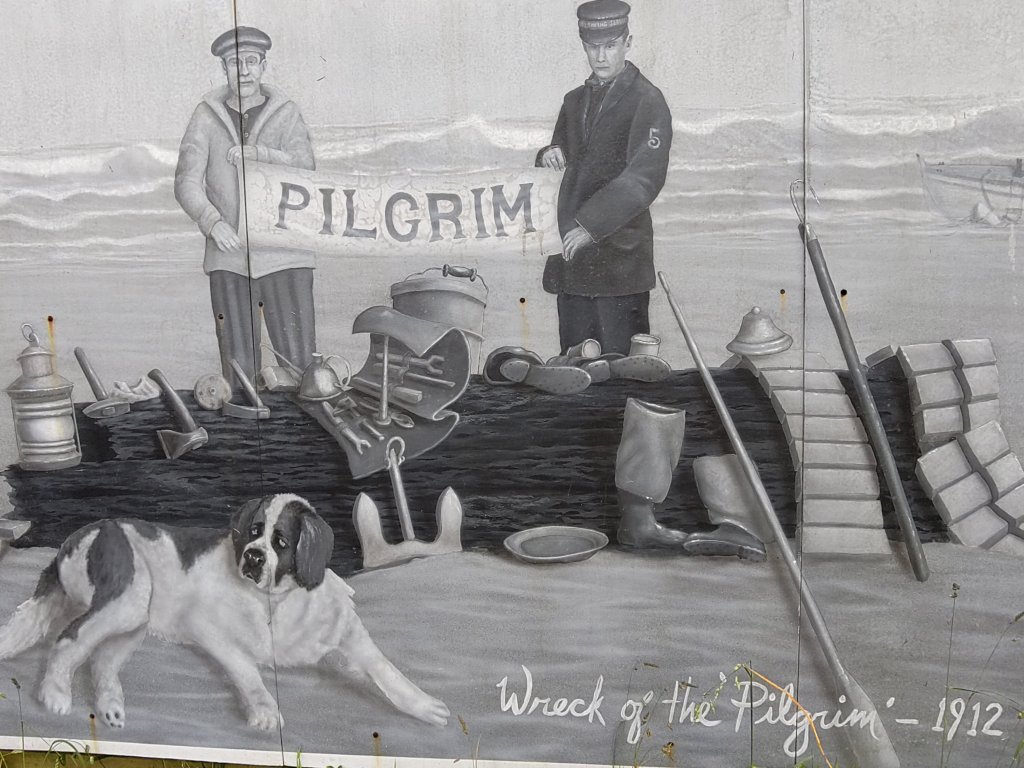
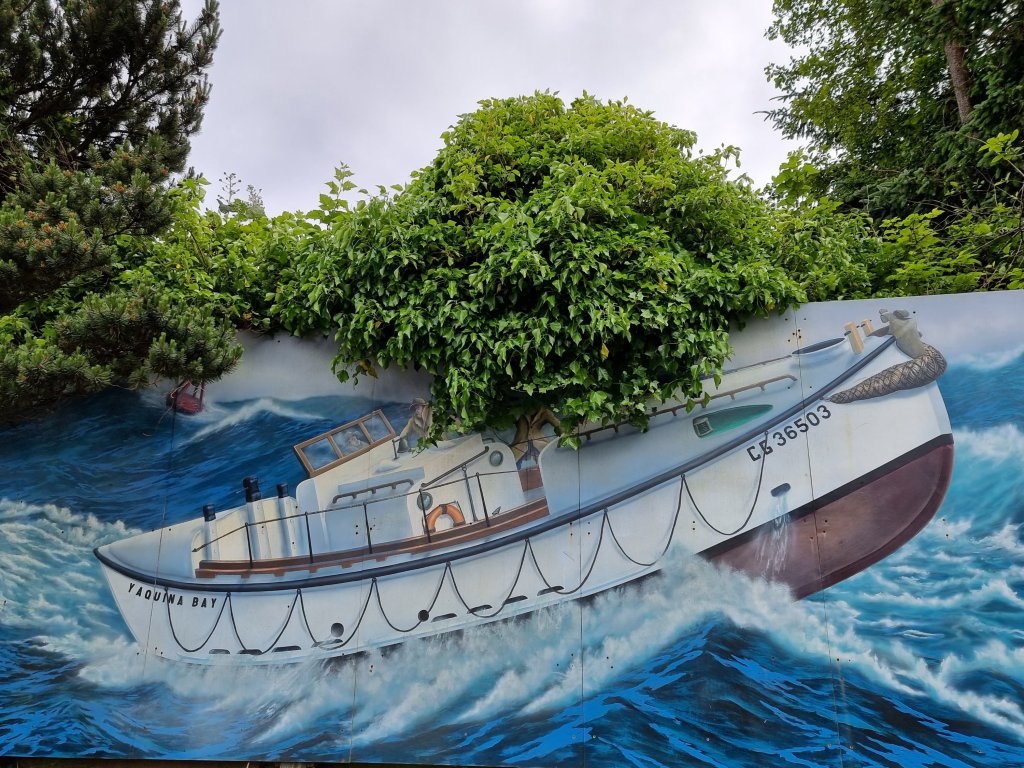
It does feature a vivid art scene, though.

The ‘freedom’ many non-Americans so often seem to long for also has it’s downsides: no matter what pitiful state your car is in, you are still allowed to drive it. There’s no authority like the TÜV telling you that it’s not fit for driving any more. To tell you the truth, we’ve seen worse. Tires that were completely worn down, for example. Very reassuring to know that you might meet such cars on the road 🙈😬
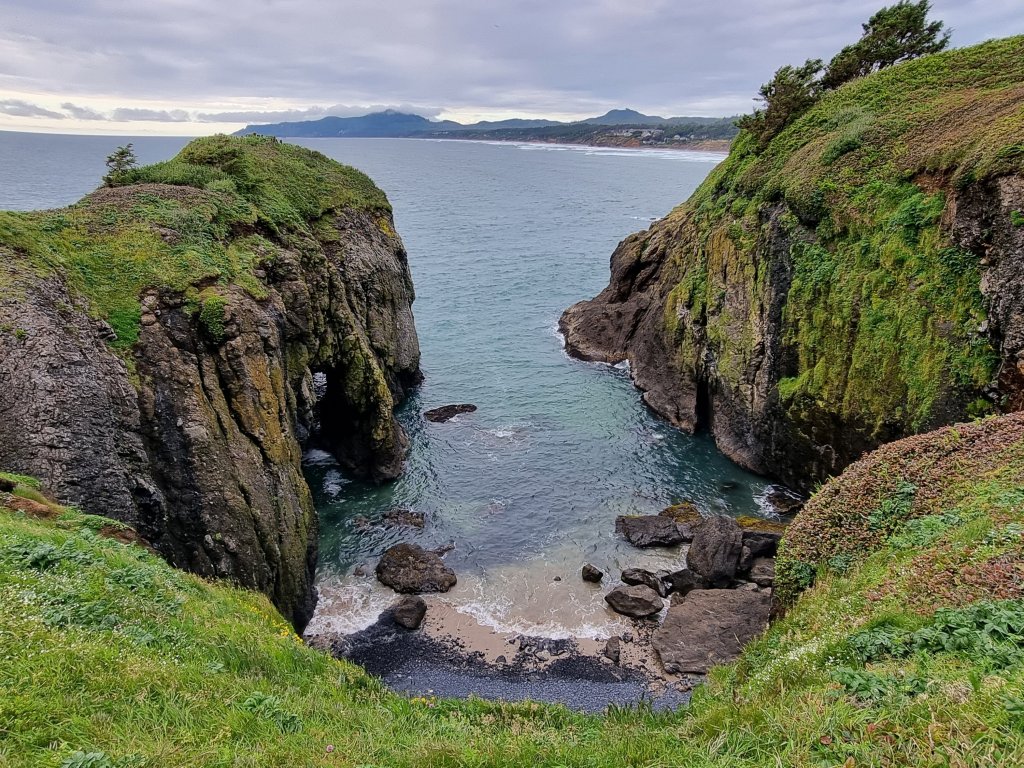
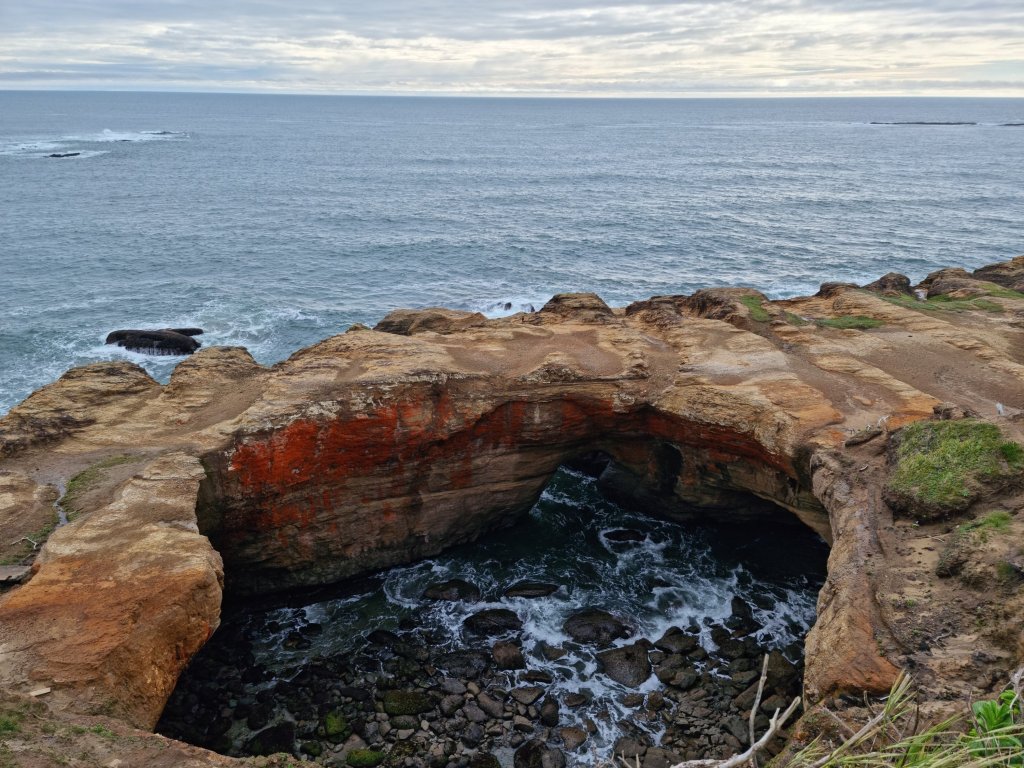
The punch bowl was probably created by the collapse of the roof over two sea caves, then shaped by wave action. Depending on the tide it may look totally different. At low tide you can access the bottom of the ‘bowl’.
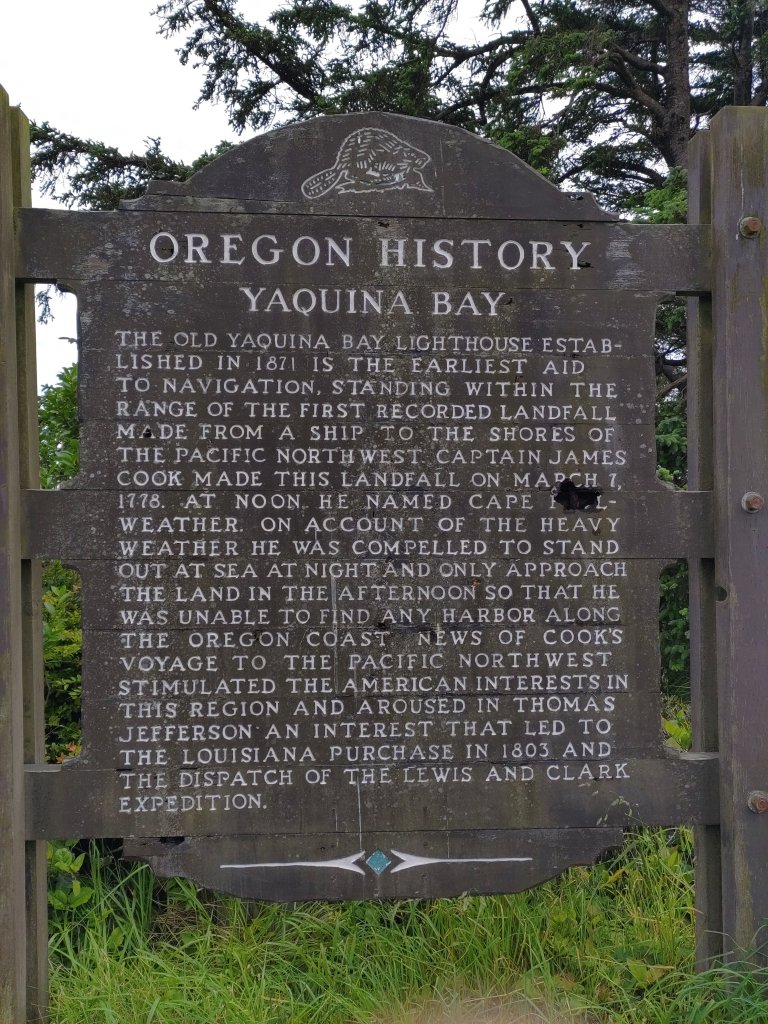
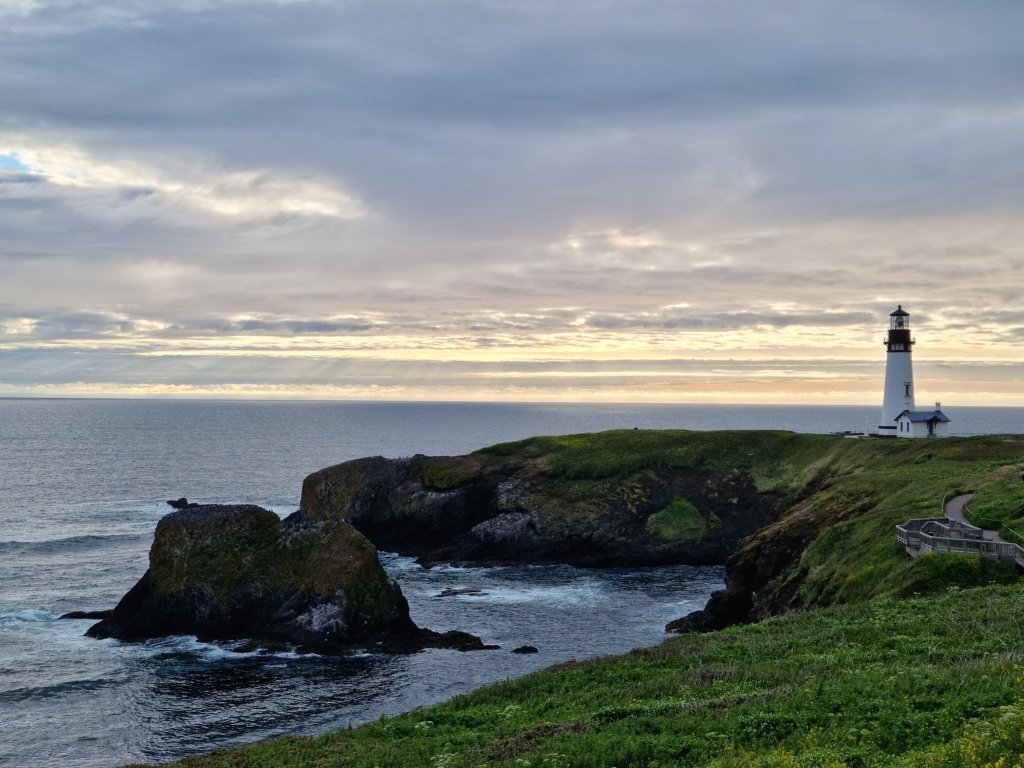
A piece of Oregon history sits atop a bluff at the mouth of the Yaquina River. It is the Yaquina Bay Lighthouse, built in 1871 and decommissioned in 1874. It was officially restored as a privately maintained aid to navigation on December 7, 1996.
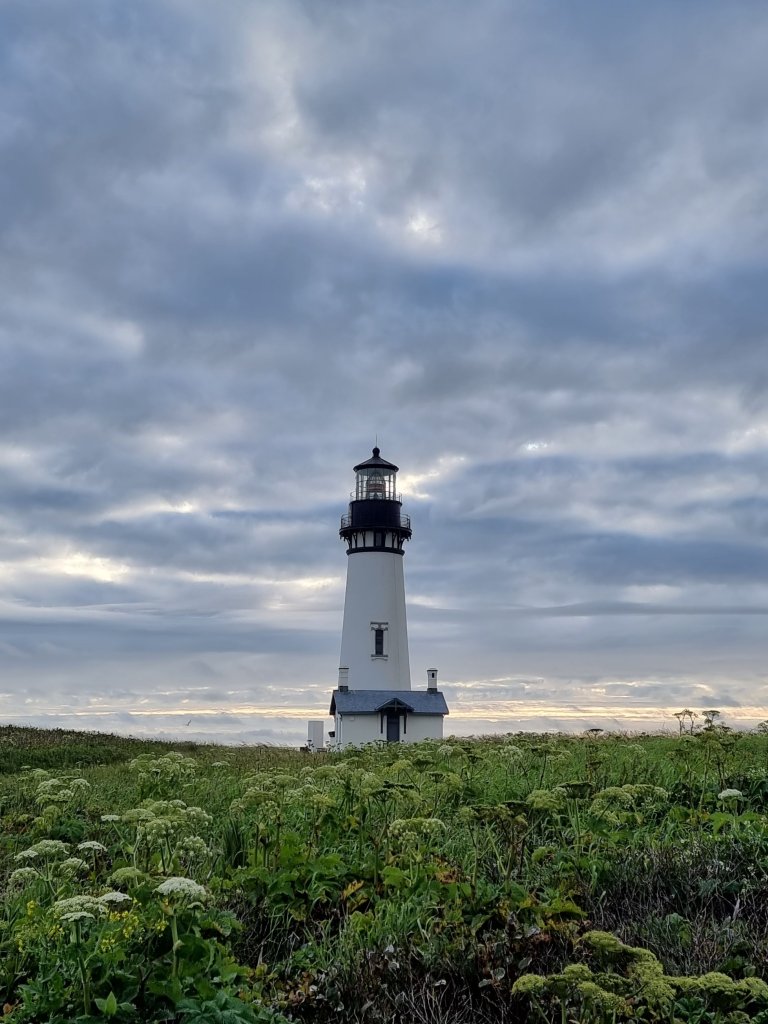
This nineteenth-century lighthouse is believed to be the oldest structure in Newport and one of a few on the Pacific coast that was built with the light-keeper’s quarters in the same building.
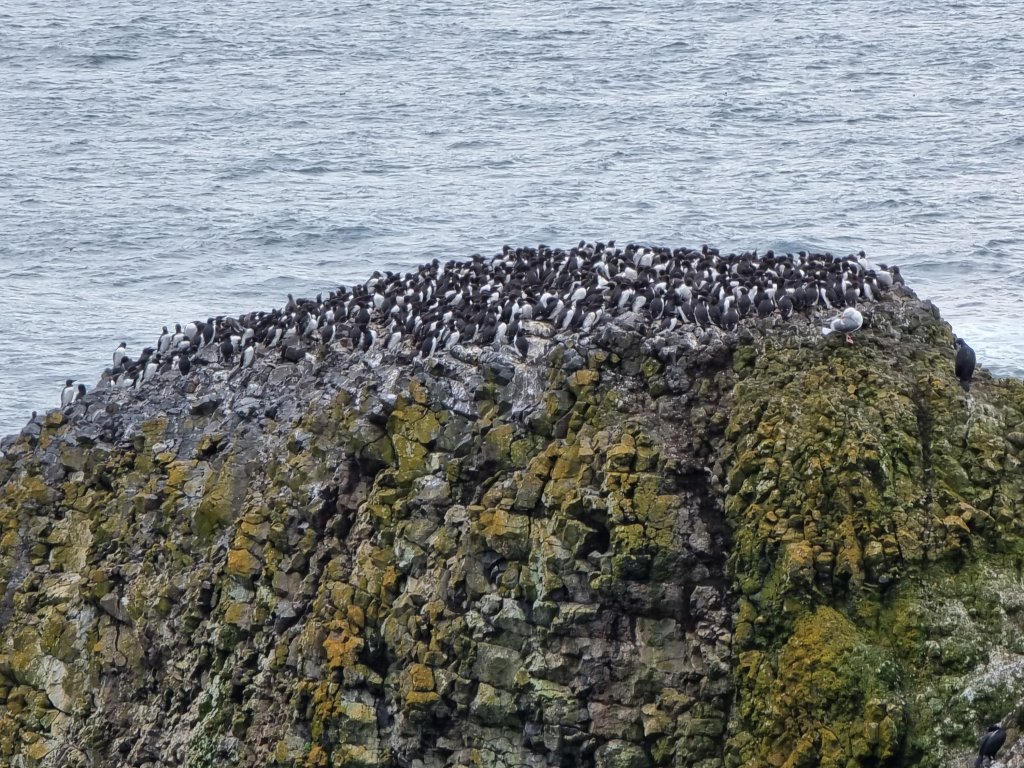
Common Murre is Oregon’s most abundant nesting sea bird. They raise their chicks on rocks and cliff ledges in colonies of tens of thousands of birds.
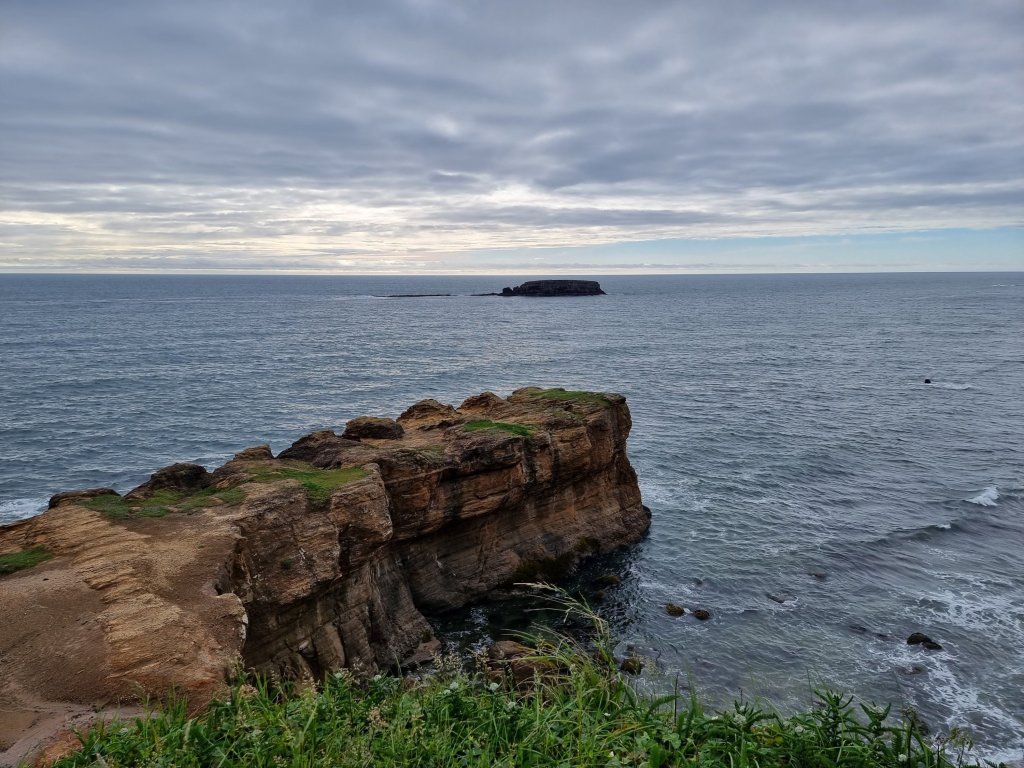
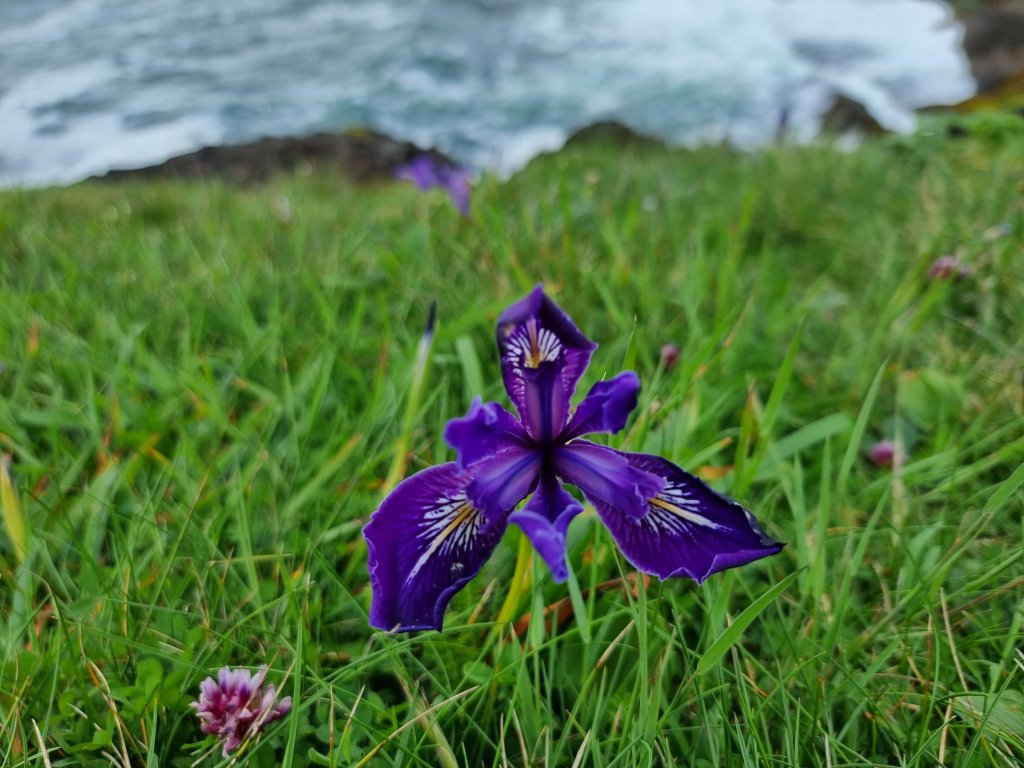
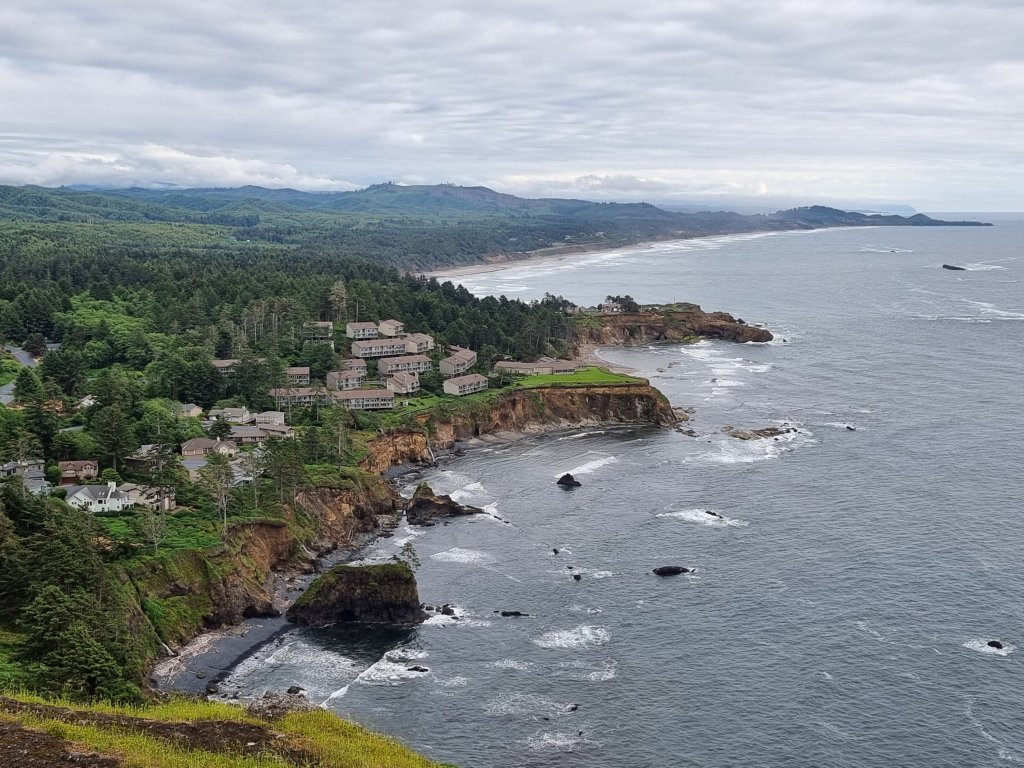
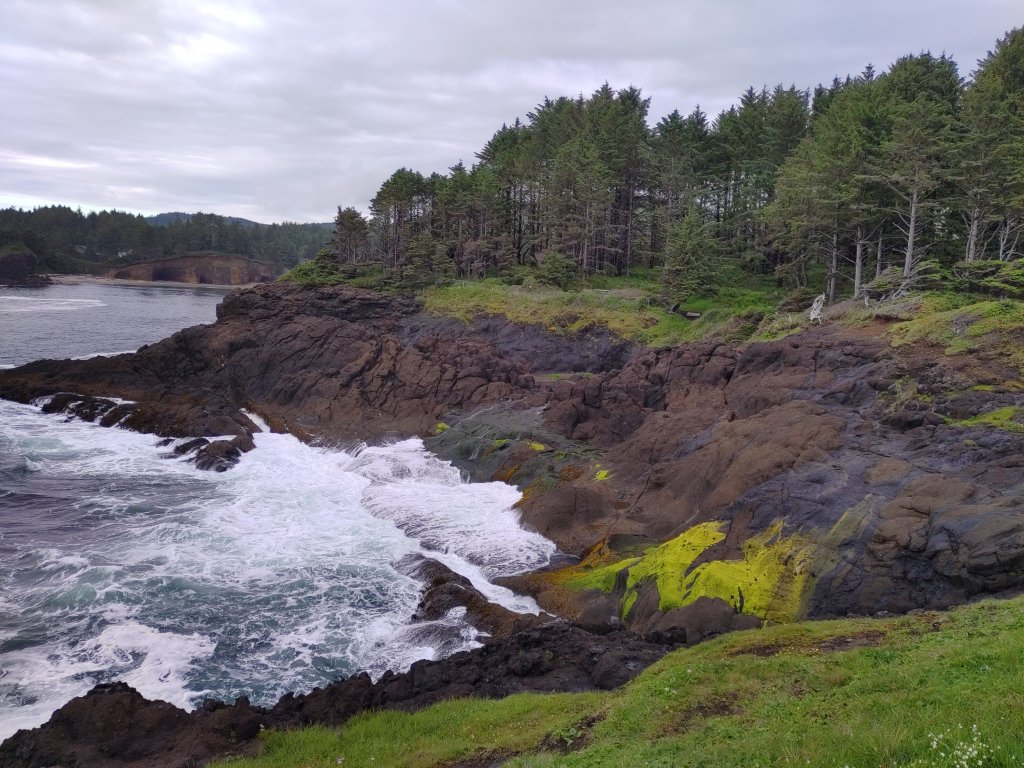
The Oregon Coast owes it’s beauty to the rough weather that has formed marvellous coast lines and keeps the area moist and green. The fog 🌁 contributes to the mystic atmosphere that prevails most days.
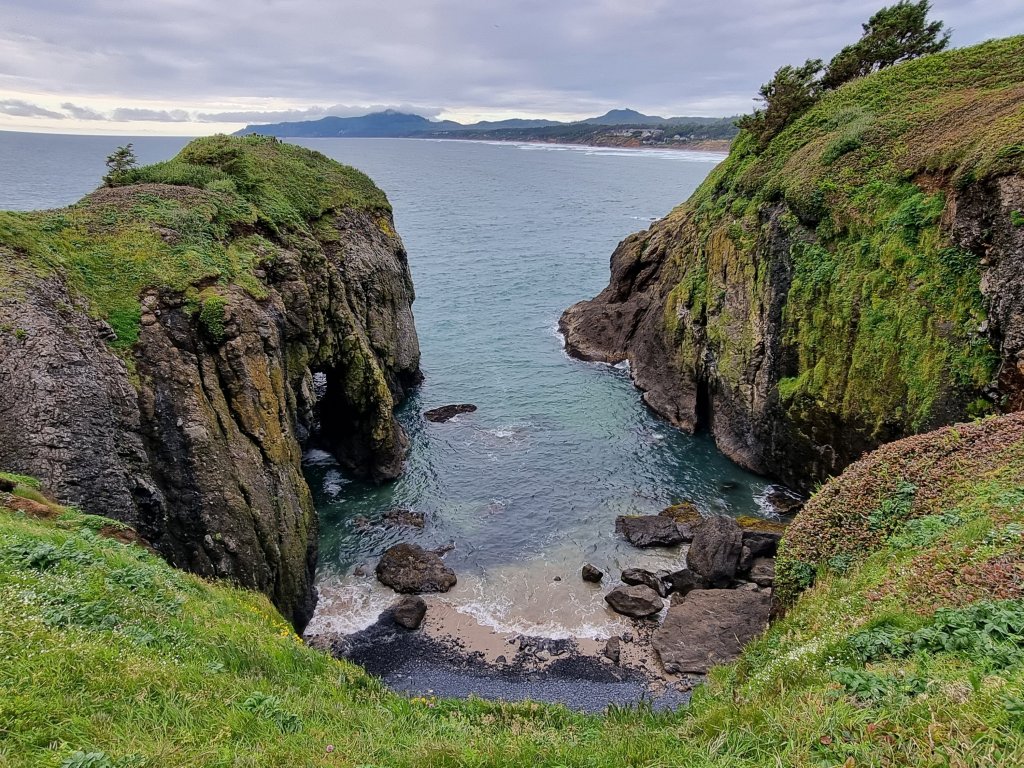
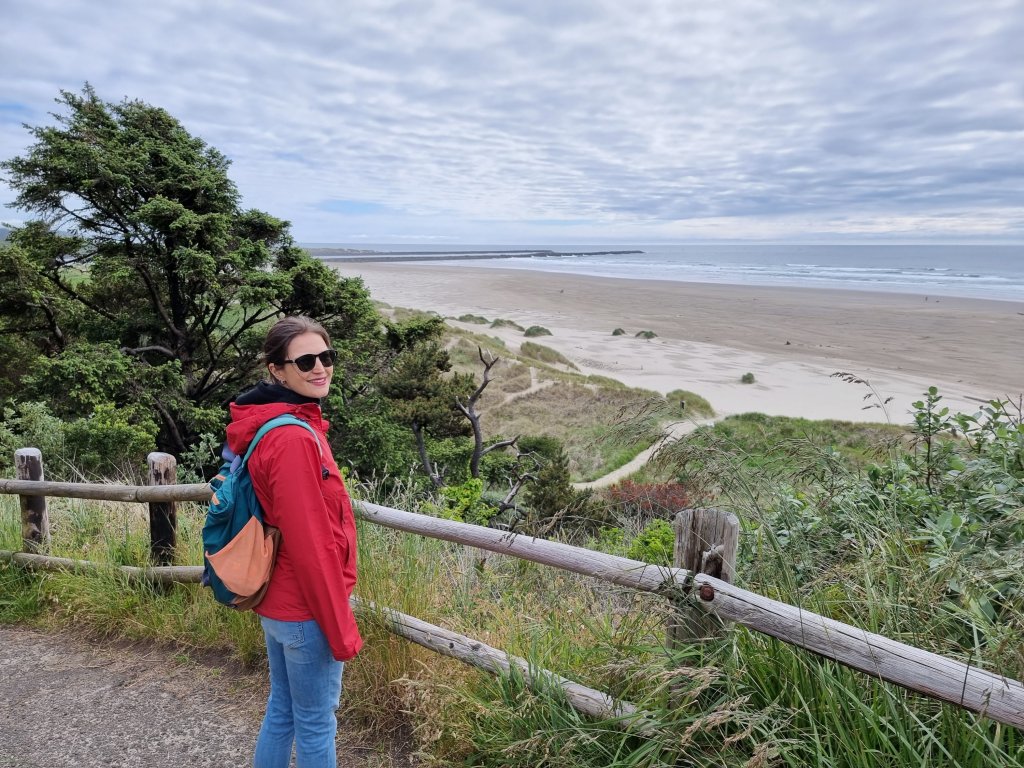
Thanks to a pioneering beach bill all 363 miles of the Oregon coast line remain free and public! ❤️
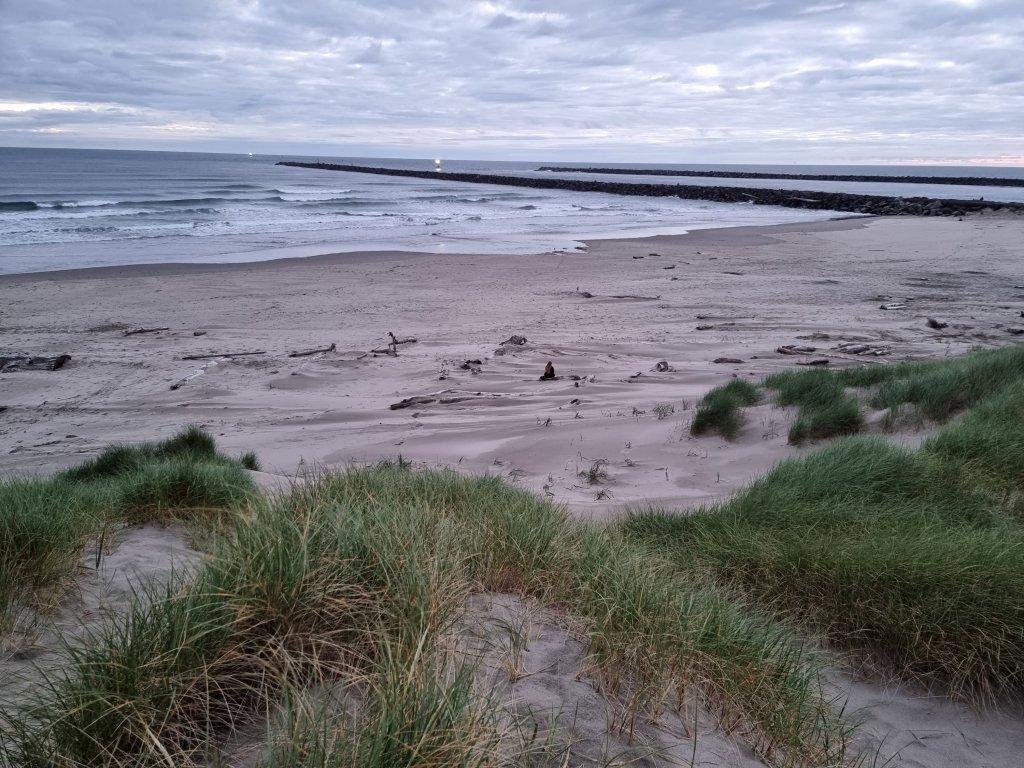
A few minutes walk from our campsite, a gorgeous sandy beach awaited us!
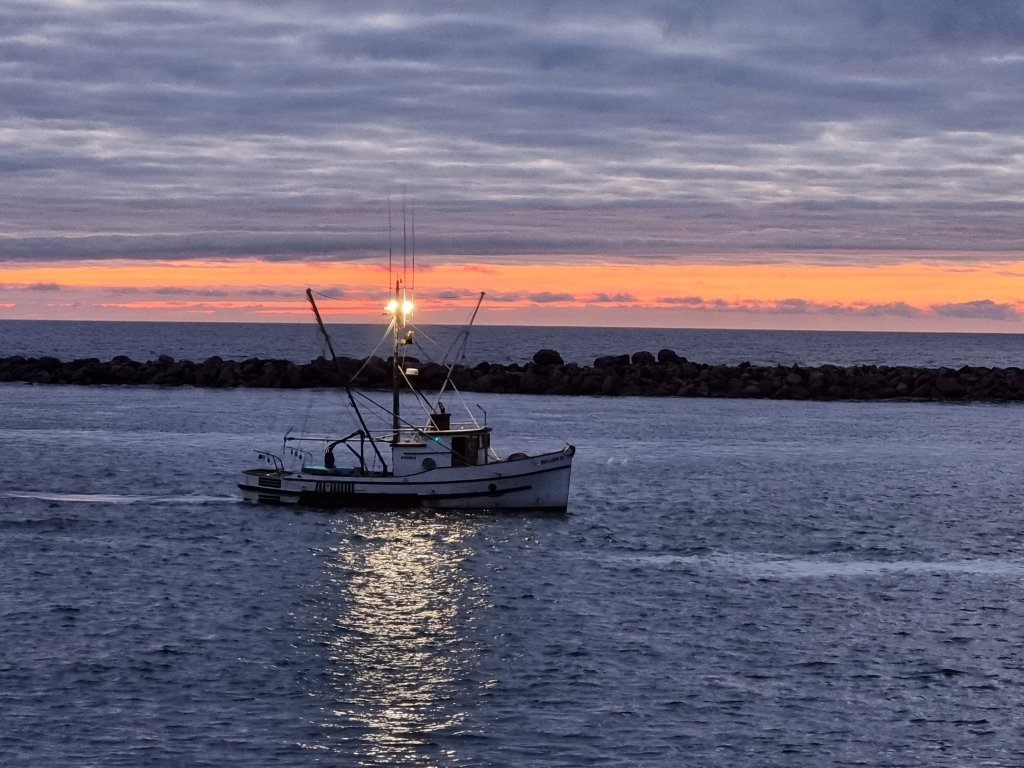
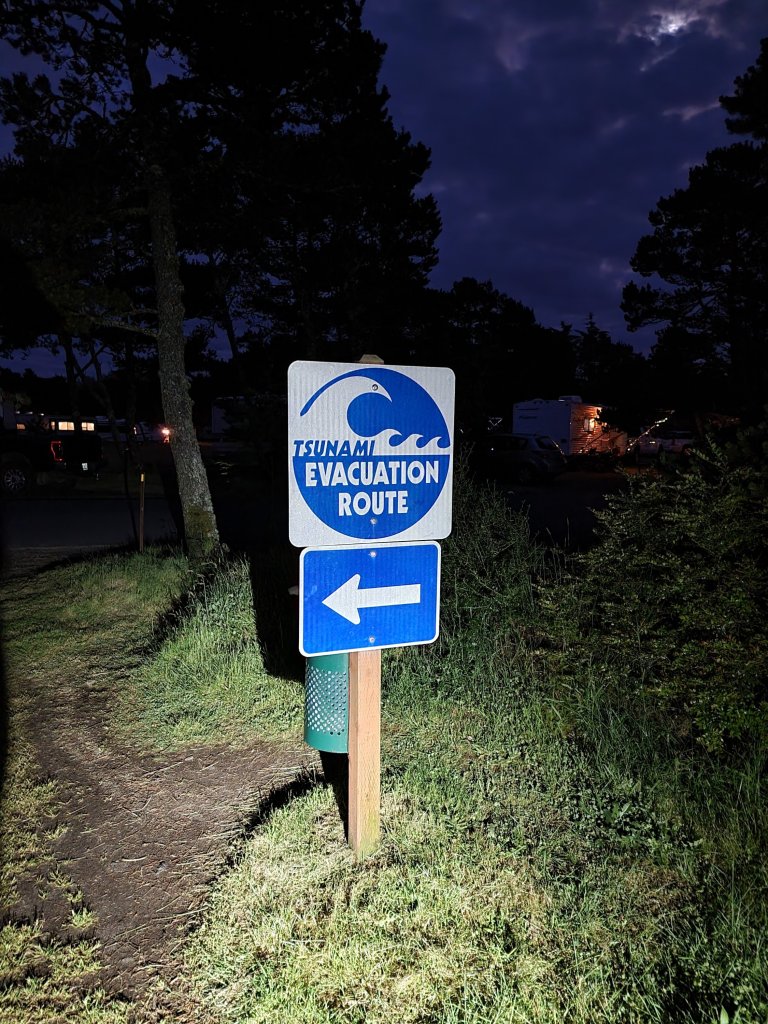
Since 1854, 21 tsunamis have impacted the Oregon Coast. Even an earthquake that takes place as far away as Japan can lead to a tsunami that might cause severe damage at the coast. Therefore tsunami alerts and signs indicating the right direction for evacuation are omnipresent.



















 Ines & Oliver on Tour